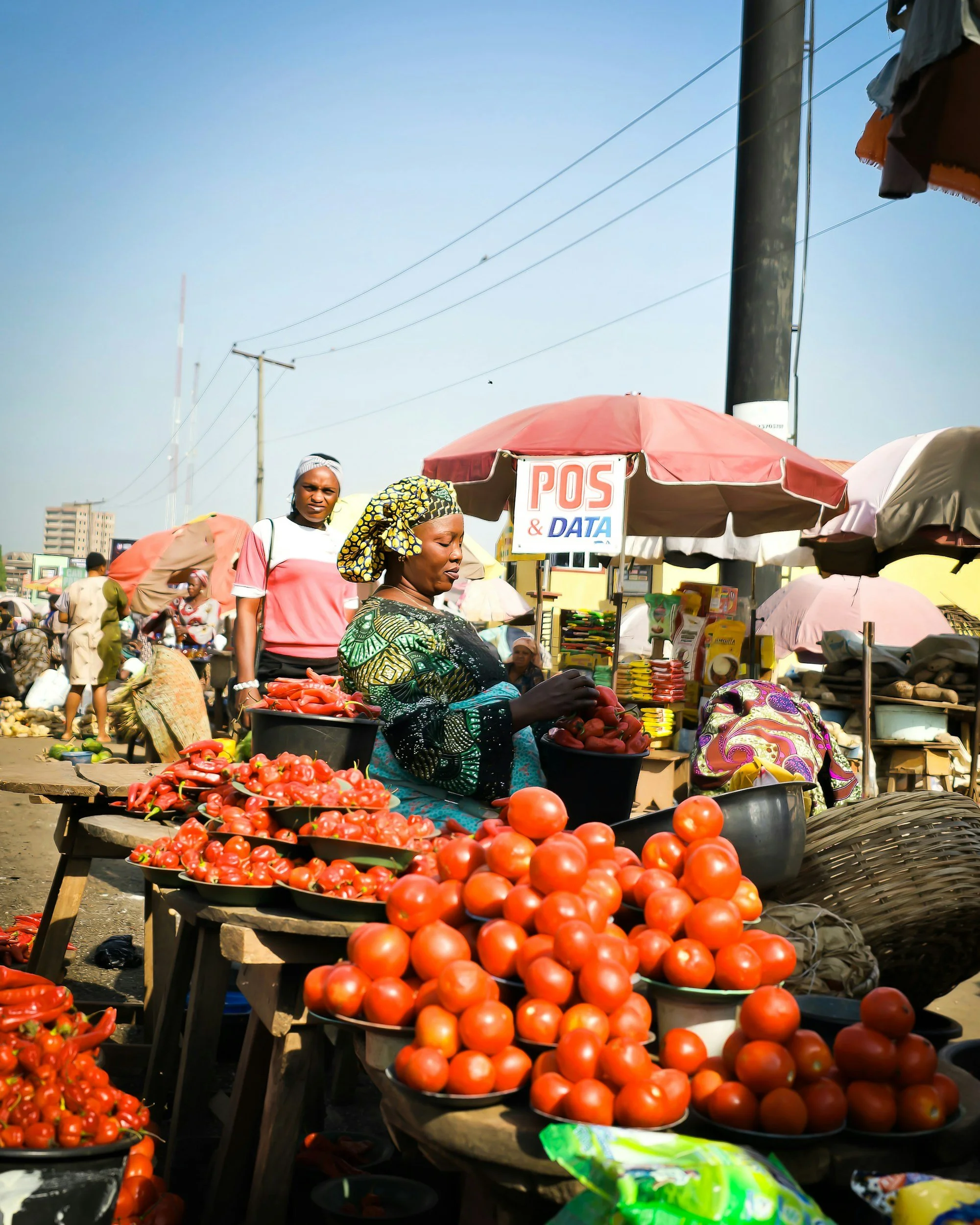
The Naira Got Stronger. Your Market Money Did Not.
Lagos · Thursday 20 August 2026
Anyone who did the shopping this week and then read that the naira is at a four-month high is entitled to feel that one of those two things is lying.
Neither is. They are measuring different things, and the distance between them is the most important unexamined fact in Nigerian economic life right now.
Start with what a stronger naira actually touches
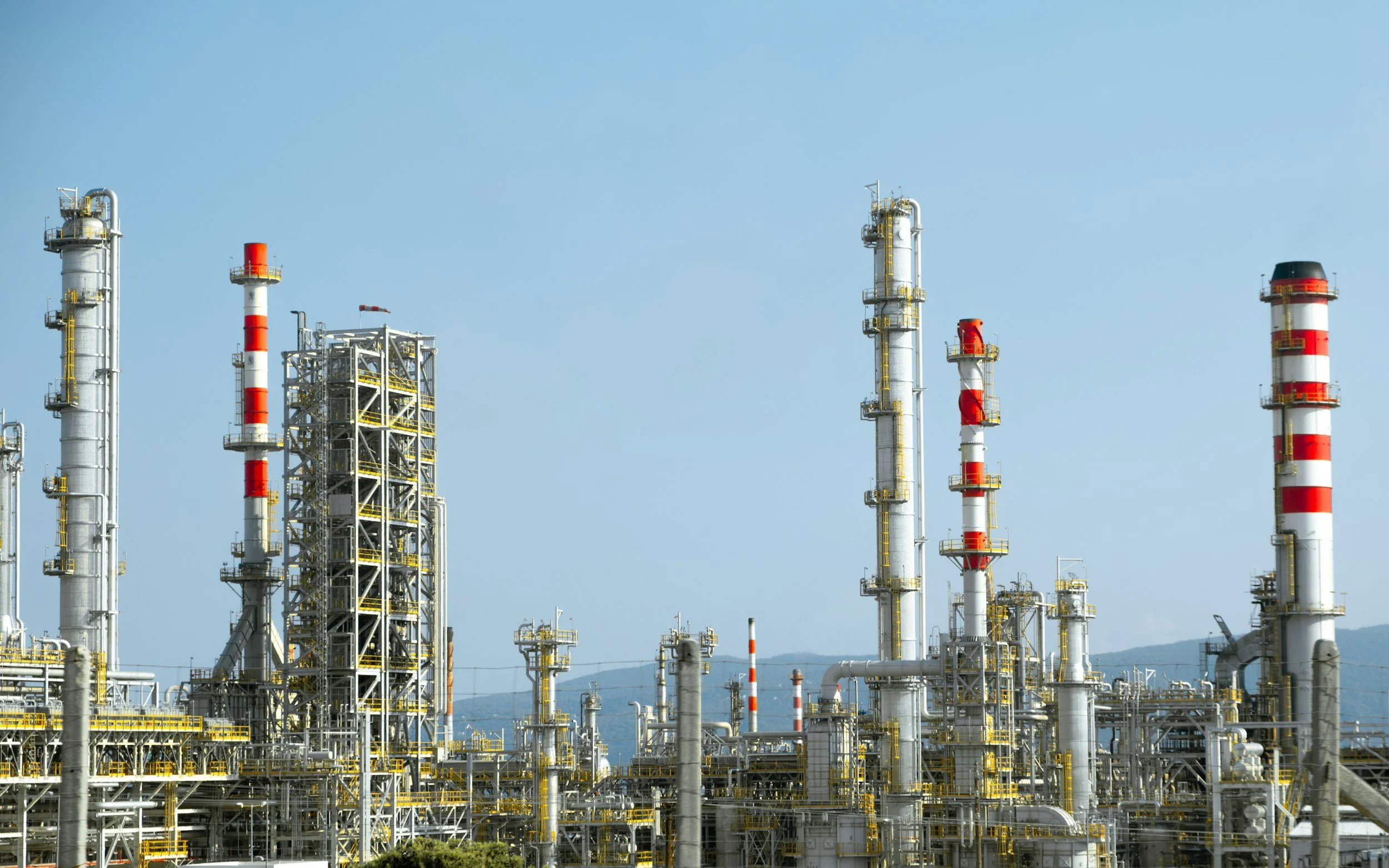
The currency sets the price of things Nigeria buys from abroad. Fuel, where the import share still matters. Wheat. Pharmaceuticals. Machinery. Anything with a chip in it. Move the rate five per cent and, eventually, those prices move.
Eventually is carrying weight in that sentence. An importer who bought stock at N1,600 is not going to reprice it because the rate improved last Tuesday. They will sell through the expensive inventory first. Retail prices in Nigeria fall with a lag that is measured in months and, in practice, often does not fully arrive at all, because the retailer pockets the difference and waits to see whether the improvement holds.
That is not villainy. It is a rational response to fifteen years of a currency that only ever went one direction. Nobody who survived that period is going to bet their working capital on a fortnight of good news.
Now the part the exchange rate cannot reach
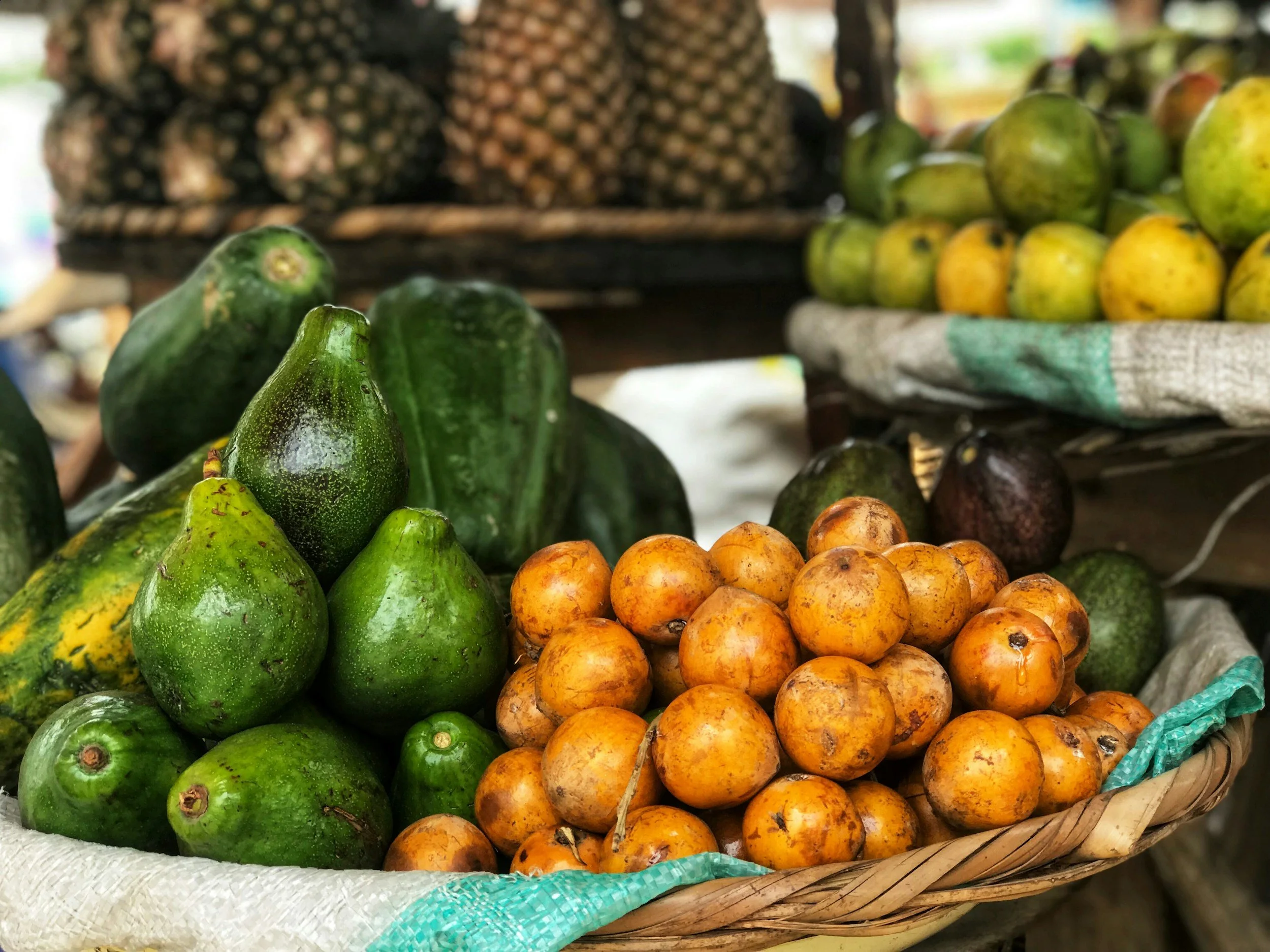
Most of what a Nigerian household spends on food is grown in Nigeria, moved on Nigerian roads, and sold in Nigerian markets. The dollar barely enters the chain.
What does enter it: whether the farm was planted at all, whether the farmer paid a levy to an armed group to plant it, whether the crop reached a market or rotted because the road was unsafe, and what diesel cost the man driving the truck.
Those are security questions and infrastructure questions wearing an economics costume. Fixing the naira does not touch them. In the fortnight to 8 August, the North West, which is substantial farming country, accounted for eighty-three per cent of everyone kidnapped in Nigeria. You cannot devalue or revalue your way out of that.
Those are security questions and infrastructure questions wearing an economics costume.
The number that shows the split
Headline inflation eased from 15.91 per cent in June to 15.43 per cent in July. Food inflation eased too, but food inflation in Nigeria has been running above the headline for most of the last three years, which is precisely what you would expect if the food problem were domestic and the headline problem were partly monetary.
Put crudely: the imported half of the inflation problem is responding to the reforms. The home-grown half is responding to whether it is safe to farm.
Campaigning began on 19 August. Between now and 16 January every candidate will be asked about the cost of living, and the incumbent has a genuinely strong currency story to tell. The opposition's most effective answer is not to dispute the numbers. It is to ask what happened to the price of a meal in Sokoto, and to keep asking.
What would actually close the gap
Nothing that fits in a campaign speech.
Security guarantees that let people plant and harvest without paying anybody. Storage, so that a good harvest is not half lost before it reaches a buyer. Roads, so the transport cost per bag stops being a significant fraction of the retail price. Input support that is not priced in dollars, because a fertiliser subsidy denominated in a currency the farmer does not earn is not a subsidy.
Every one of those takes years and none of them produces a photograph. Which is roughly why the exchange rate keeps getting announced and the food price keeps getting endured.
A fair word for the reform
It would be dishonest to end there, because the currency work is real and it was hard.
Closing the gap between the official and parallel rates removed a subsidy that flowed almost entirely to well-connected people. Rebuilding reserves to seventeen-year highs restores the capacity to absorb a shock. Both are genuine, both were unpopular, and both were done in the face of considerable pressure to reverse them.
The complaint is not that the government did the wrong thing. It is that it did the half it knew how to do, and the half that determines whether people eat is the other one.
A worked example
Take a trader who imports a container of goods priced in dollars.
She bought her current stock when the rate was around N1,600. That inventory is sitting in her shop at a cost basis she has already paid. The rate is now N1,350. Nothing about her existing stock got cheaper, and if she cuts her prices to reflect today's rate she takes a loss on every unit she has already financed.
So she sells through at the old price. Her next container comes in cheaper. At that point she has a choice: pass the saving on, or keep it and rebuild the margin she lost during the years when the rate moved against her every month.
In a competitive market she passes some of it on, because a rival will. In a market with few suppliers, high entry costs and customers who have no way of knowing what she paid, she keeps most of it. Much of Nigerian retail is closer to the second than the first.
That is the mechanism behind the phrase economists use, which is that pass-through is asymmetric. Prices rise quickly when the currency weakens and fall slowly, partially, or not at all when it strengthens. It is not a Nigerian peculiarity. It is observed almost everywhere. It is simply more painful in an economy where the currency has spent a decade going one way.
The diesel line runs through everything
There is a second reason the market price is sticky, and it has nothing to do with importers.
Almost every stage between a Nigerian farm and a Nigerian plate runs on diesel. The truck that moves the yams. The generator at the cold store, because the grid will not carry it. The mill. The pump on the borehole. In an economy where public power is unreliable, diesel is not a transport input, it is the entire industrial base.
So a food price in Lagos contains a great deal of energy cost and comparatively little exchange rate. Improve the naira and you have touched the smaller of the two.
Who does feel it, and when
The currency move is not invisible to everybody. It is simply invisible to the people the politics is about.
A manufacturer importing inputs can price a contract three months out for the first time in years. A business with dollar obligations sees its debt service fall in naira terms. A student paying foreign fees, a company buying machinery, an airline settling in dollars: all of them feel it immediately and all of them are a small and comparatively comfortable slice of the country.
The household buying garri feels it last, least, and only if a competitive retailer decides to let them.
There is an obvious temptation between now and January to argue that the reserve and currency numbers are fake. They are not, and anyone who builds a campaign on disputing them will be corrected by the data every month until the vote. The stronger argument is the one about distribution: the reforms worked, and the benefits have collected at the top of the economy. That is harder to rebut because it is true.
The measure worth adopting
If Nigerian economic coverage did one thing differently, it should be to stop leading with the exchange rate and start leading with a basket.
A fixed list of goods, the same every month, priced in the same handful of markets: a measure of rice, a tin of tomatoes, a litre of fuel, a bag of cement, a month of transport fare. Published monthly, unchanged in composition, alongside the headline figures.
It would be unglamorous, it would take a fortnight a month to compile, and it would be the single most useful number in Nigerian journalism. Every argument about whether reform is working currently runs on anecdote precisely because no such series exists in a form the public trusts.
Reporting: National Bureau of Statistics inflation data for June and July 2026, CBN reserve figures to 17 August, and conflict tracking data for 26 July to 8 August 2026.
Read next
- Every Big Nigerian Fintech Is Quietly Becoming A Bank
- NNPC Has Called Dangote A Monopolist In Court, Weeks Before The IPO
- The Adire Supply Problem Is Now Nigerian Fashion's Best Opportunity
Sending money home is one thing. Sending something they can actually open is another. The Send Home boxes run from a full food shop to a digital learning kit. Naira pricing here.