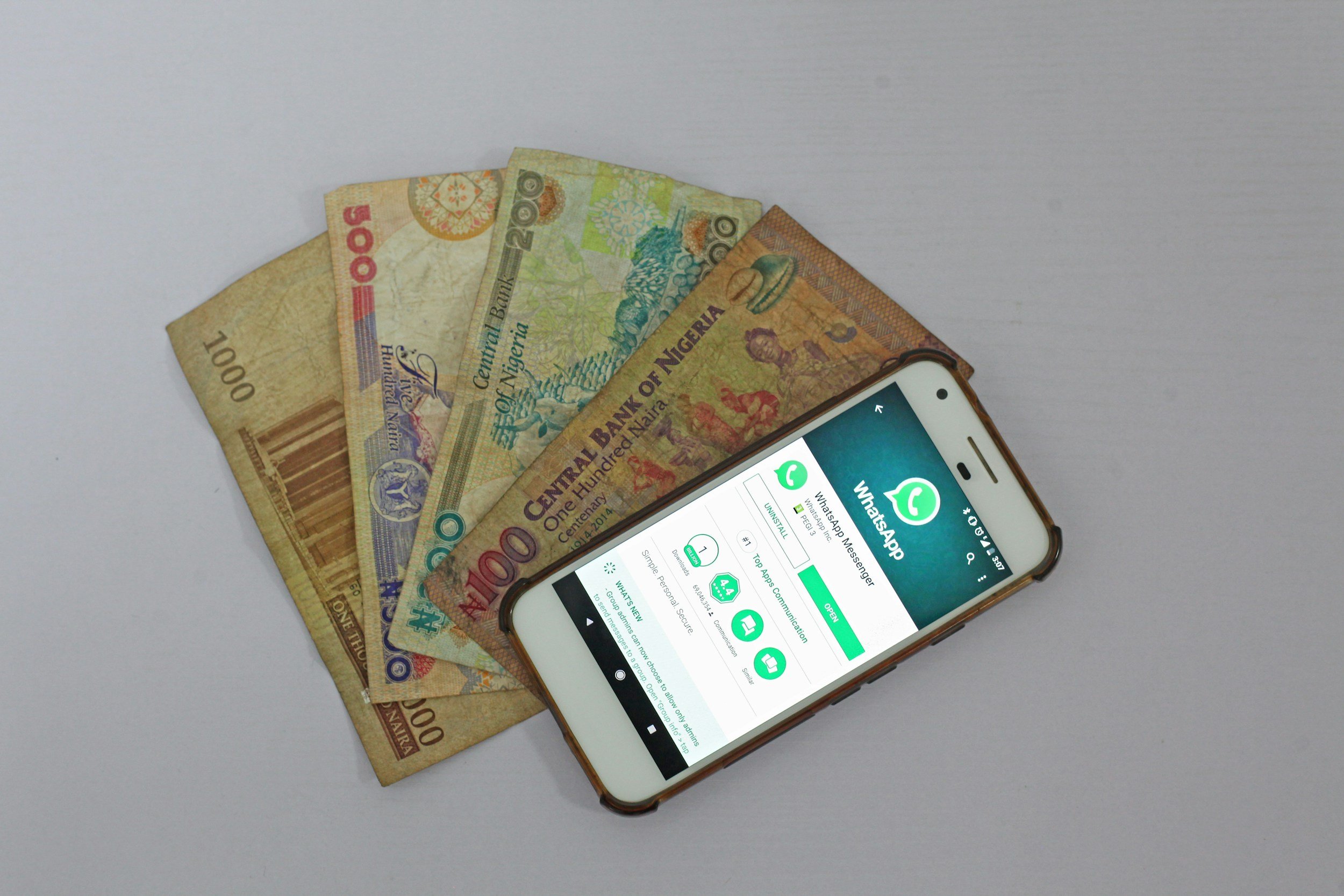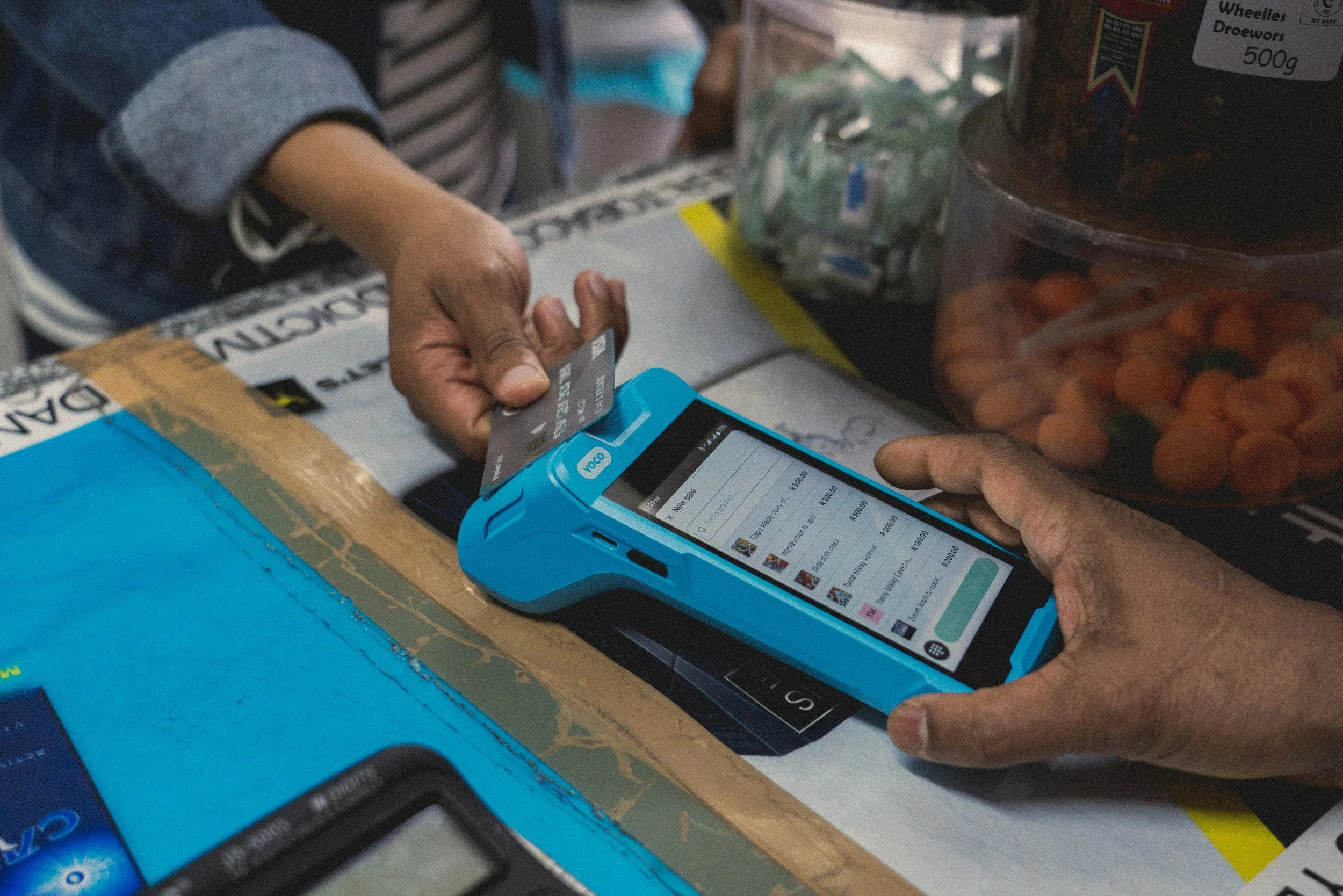
Every Big Nigerian Fintech Is Quietly Becoming A Bank
Lagos · Thursday 20 August 2026
Flutterwave now holds a national microfinance banking licence in Nigeria. It can take customer deposits and lend directly. It joins Moniepoint, OPay, PalmPay and PiggyVest, which already had theirs.
A decade ago the pitch for all of these companies was that Nigerian banking was slow, expensive and hostile to ordinary customers, and that software would route around it. The software worked. And now, one by one, every one of them has applied to become a bank.
How Flutterwave got there
Through an acquisition rather than an application. Flutterwave bought Mono, a Nigerian open banking startup, in an all-stock transaction reported at between $25 million and $40 million, and the licence came with it. TechCabal reported the company crossing $40 billion in lifetime payments around the same period.
Mono's chief executive made the point publicly that the acquisition value exceeded everything the company had raised, which is a rarer outcome in African startups than the funding announcements suggest.
Flutterwave on the Mono deal.
Why a payments company wants deposits
Because payments is a terrible business and deposits are a wonderful one.
That is uncharitable but close to true. Processing a payment earns a small percentage of the transaction, once. The cost of acquiring the customer is paid up front and the revenue arrives in fractions of a naira over years. Competition compresses the percentage continuously, because there is nothing to stop a rival undercutting you, and the biggest customers negotiate the rate down as soon as they have volume.
Deposits work in the opposite direction. Money sitting in an account can be lent, and the spread between what you pay the depositor and what you charge the borrower is the oldest reliable margin in finance. In a country with Nigeria's interest rates, that spread is substantial.
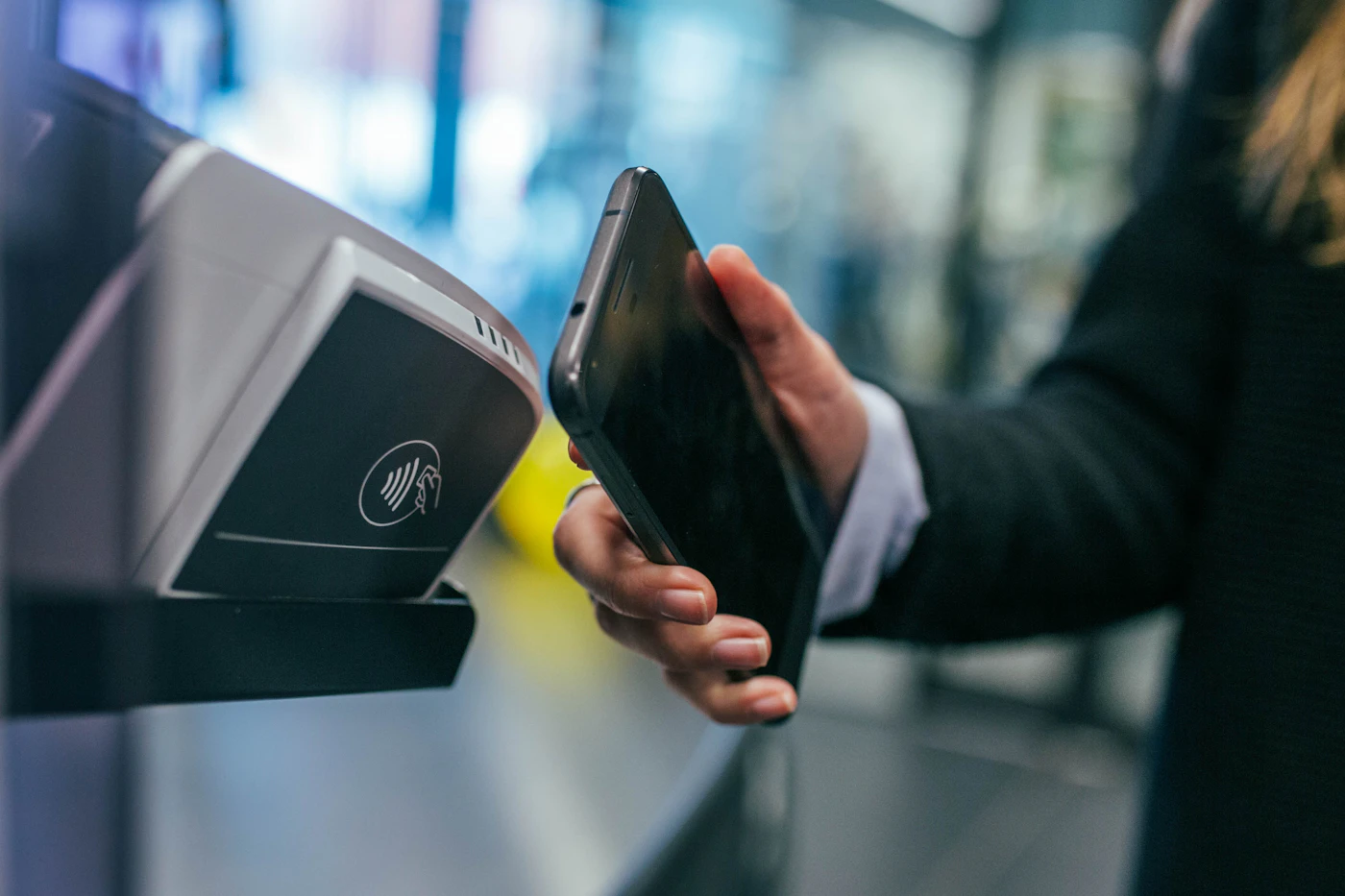
So the arc is predictable in hindsight. Build a payments product, acquire millions of users who trust you with transactions, then get a licence that lets you hold their money rather than merely move it.
Who is already there
| Company | Route in | Recent move |
|---|---|---|
| Moniepoint | Banking licence held | Launched Moniebook in 2025; acquired restaurant platform ORDA in March 2026 |
| OPay | Banking licence held | Large agent network |
| PalmPay | Banking licence held | Consumer-led growth |
| PiggyVest | Banking licence held | Savings-first model |
| Flutterwave | Via the Mono acquisition, 2026 | National microfinance banking licence |
Compiled from TechCabal, BusinessDay, Techpoint and company announcements.
Look at that list and notice that it is essentially the whole sector. This is not one company making a strategic bet. It is an entire industry arriving at the same conclusion within a few years of each other.
The companies built to route around Nigerian banks have decided that the thing worth having was the banking licence all along.
The Moniepoint move is the most interesting one
Buying a restaurant platform looks like a strange thing for a financial institution to do until you think about what a restaurant is from a lender's point of view.
It is a small business with daily cash flow, no audited accounts, no credit history and no collateral. Under conventional underwriting it is unlendable, which is why Nigerian small businesses have historically been financed by family money and informal savings groups.
Now put that restaurant on a platform that handles its orders and its payments. Suddenly you can see its daily revenue, its seasonality, its growth, and whether it is having a bad month. You can lend against observed cash flow rather than against documents that do not exist.
That is the actual prize, and it explains most of what these companies are doing. The payments product was never the business. It was the instrument for generating the data that makes lending possible in an economy with almost no formal credit infrastructure.
What could go wrong, stated plainly
Taking deposits changes what a failure looks like.
When a payments company collapses, merchants lose a processor and switch to another one. When a deposit-taking institution collapses, ordinary people lose savings. Nigeria has been through that before, more than once, and the memory sits close to the surface for anyone over forty-five.
Microfinance banking licences carry lighter capital requirements than commercial banking licences, which is precisely what makes them attractive to a technology company and precisely what should make a regulator watchful. Lending against algorithmic assessment of transaction data is genuinely promising and completely untested through a full Nigerian credit cycle, which would mean a serious recession, a currency shock, or both.
Not whether these companies are well run, because by and large they are. The question is what happens to their loan books the first time Nigeria has a bad year, and whether deposit insurance arrangements cover the customers who will be affected. Neither has been tested.
The wider point
African fintech attracted around $3.4 billion in funding during 2025, and Nigerian companies took a large share of it.
What that money has bought is genuine and easy to underrate. A Nigerian small trader can now accept a card, receive money instantly, and increasingly borrow against a transaction record. That did not exist fifteen years ago and it is a real improvement in ordinary economic life.
What it has not bought is a different structure. The end state everybody is converging on is a bank with better software, which is a considerably less radical outcome than the sector's early rhetoric promised, and considerably more useful than most of what that rhetoric described.
What the agent networks actually changed
The part of this story that gets least attention is the most consequential.
Nigeria's fintechs did not win by building better apps. They won by putting hundreds of thousands of human agents with card readers into markets, junctions and shopfronts across the country. A trader who would never open a bank account, and could not reach a branch if she wanted to, could withdraw cash from a man with a machine two streets away.
That network is the real asset. It is expensive, it is physical, it is very hard to replicate, and it is what a banking licence turns into a deposit base. The software was the easy part.
The USSD detail that explains the market
A great deal of Nigerian digital finance still runs over USSD, the short codes you dial rather than tap, because it works on any handset and does not need data.
Any company that assumed smartphone penetration and app usage lost to the ones that did not. It is a useful corrective to how these businesses get described internationally: the winning product in Nigerian fintech has frequently been the least technologically impressive one.
What this means for the banks
Nigeria's commercial banks have watched a generation of customers acquired by companies they did not take seriously a decade ago, and are now competing against those companies for deposits with a considerably worse cost base.
Branches are expensive. Agent networks are not. The likely outcome is not that fintechs replace banks but that the two converge, with the incumbents shedding physical infrastructure and the challengers acquiring regulatory obligations, until the distinction stops being interesting.
Reporting: TechCabal, BusinessDay, Techpoint Africa, Analytics Insight and company announcements through August 2026.
Read next
- NNPC Has Called Dangote A Monopolist In Court, Weeks Before The IPO
- Reserves At A Seventeen-Year High, And The Naira Is Finally Behaving
- JAMB Kept The Cut-Off At 150. Almost No University Will Use It.
Sending money home is one thing. Sending something they can actually open is another. The Send Home boxes run from a full food shop to a digital learning kit. Naira pricing here.