Mo Abudu Is Opening A London Cinema That Only Shows Us
Lagos and London · Thursday 20 August 2026
In October, a building on Wandsworth Road becomes the first venue in Britain built specifically to show African and Black film. It is called EbonyLife Place London, and it belongs to Mo Abudu.
The obvious way to write this story is as a nice moment for Nigerian cinema. That undersells it. What Abudu is building is not a screen. It is distribution infrastructure, in a market where the absence of exactly that has been the binding constraint on African film for thirty years.
What is in the building
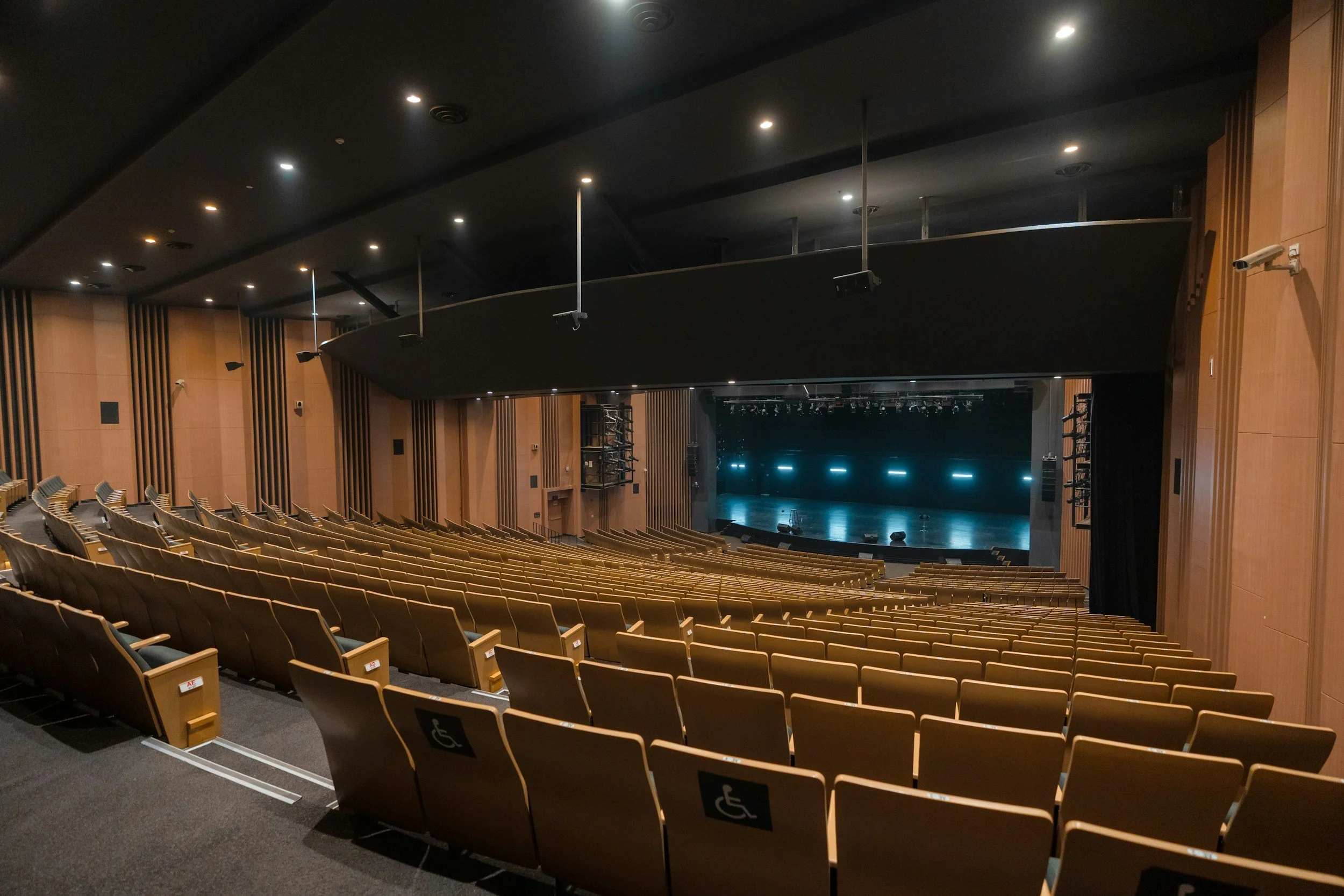
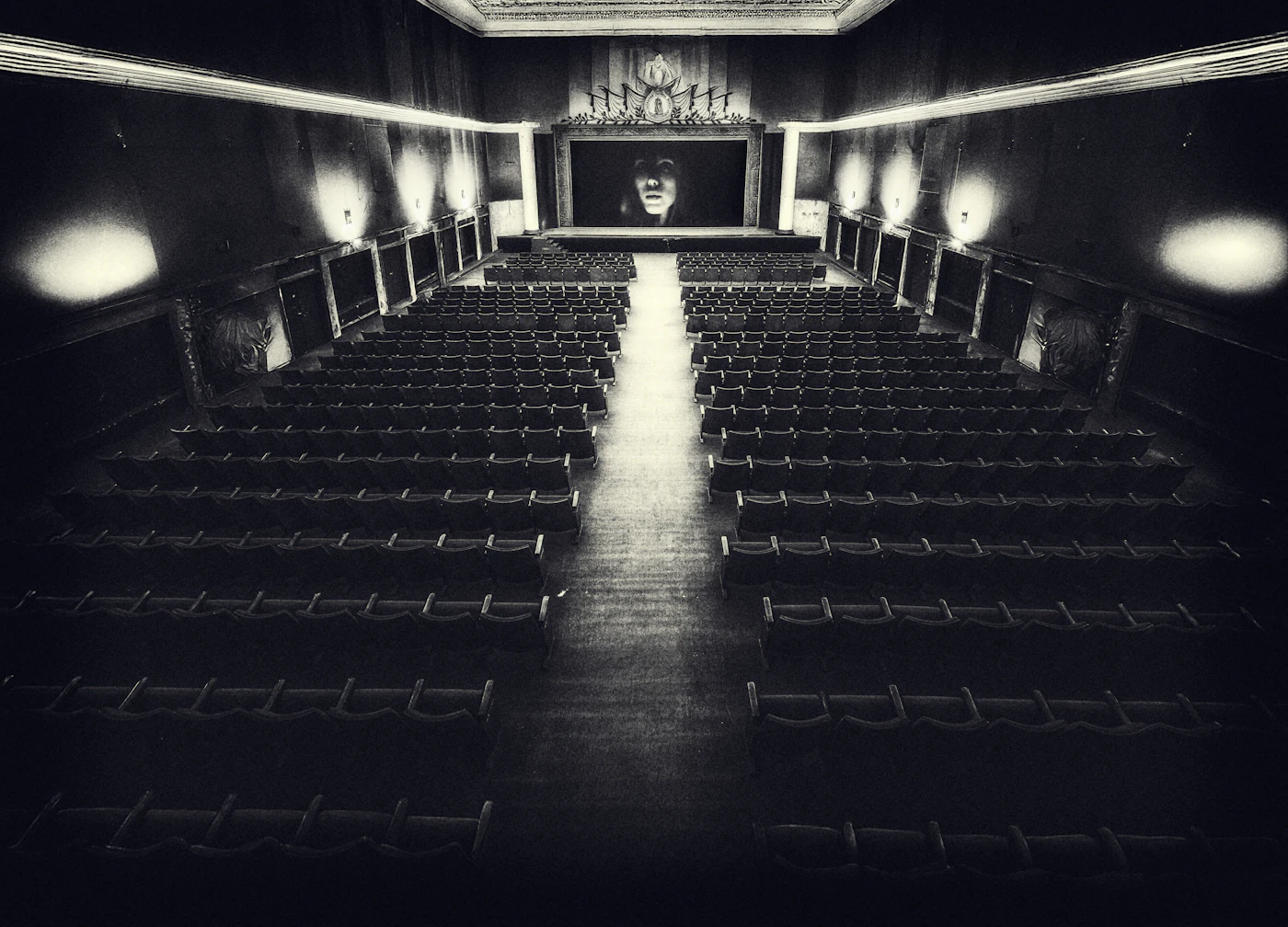
A 180-seat cinema is the anchor. Around it: a grand reception, a restaurant trading as The Afrobeat Restaurant, the Fèhintì Lounge, the Maji concession and bar, Zuri Retail, and a gallery called The Living Wall. Reporting puts the job creation at around forty.
The mix is the point. This is the EbonyLife Place model from Victoria Island, which has worked in Lagos precisely because it never depended on ticket revenue alone. A cinema that is also a restaurant, a bar, a gallery and a shop can survive a quiet fortnight at the box office. A cinema that is only a cinema cannot, and specialist cinemas have historically died of exactly that.
Why a London room changes the maths
Consider the position a Nigerian filmmaker has been in. You finish a film. The domestic market is a few hundred screens, concentrated in a handful of cities, at prices most of the country cannot pay. So you look abroad, where the diaspora audience genuinely exists and genuinely wants to watch, and you discover there is nowhere to put it.
Mainstream UK exhibitors will take an African title if it arrives with a marketing budget and a distributor they already deal with. Most do not. Festival screenings reach a few hundred people and end. Streaming pays, but at rates set by platforms with no obligation to tell you how you performed, and it removes the theatrical window that builds a film's reputation in the first place.
A permanent room in London with programming control is a different proposition. It gives a film a run rather than a screening, a review cycle, a physical place for an audience to be counted, and a negotiating position with everyone downstream.
Coverage of the London announcement.
The bit that is easy to miss
The project has been picked up by the UK government as part of the creative and investment relationship between Britain and Nigeria.
Read that in the direction it actually runs. This is Nigerian capital and a Nigerian operator moving into London and being welcomed as inward investment. The usual sentence about Nigeria and Britain in the creative industries has the money flowing the other way, with a British production company shooting in Lagos and a Nigerian crew on day rates.
This is Nigerian capital and a Nigerian operator moving into London, and being welcomed as inward investment.
What would make it work, and what would sink it
Specialist venues live or die on programming discipline. One hundred and eighty seats is a sensible size, small enough to look full and large enough to matter, but it has to be filled most nights, and the diaspora audience for African film is real without being infinite.
The failure mode is well known: open strong on goodwill, programme the obvious titles, exhaust the audience that was always going to come, and then face a January with nothing booked. The venues that survive build a habit rather than an event, which usually means repertory, retrospectives, talks, and a bar that people will use whether or not there is a film on.
Abudu has run exactly this model profitably in Lagos for years, which is the strongest argument that she knows all of the above better than anyone writing about it.
And a thought for the industry at home
Nigeria's own exhibition estate remains the sector's real ceiling. The country's biggest film of 2026 grossed N855 million from a screen count that would embarrass a mid-sized European city.
A London venue does not fix that. But it does something adjacent and useful: it creates a second market where a Nigerian film can earn, in a currency that has not lost two thirds of its value, and gives producers a reason to budget for a theatrical life beyond Lagos.
Who Mo Abudu is, for anyone arriving late
EbonyLife did not begin as a film company. It began as a television business, and before that Abudu was a talk show host, which is a background that shows in how the company operates: it has always understood that the audience is the asset and the content is the means.
The Lagos flagship, EbonyLife Place on Victoria Island, has run for years as a cinema combined with restaurants, bars and event space. The film and series output has moved through deals with international platforms, and the company has been one of the very few Nigerian production houses to negotiate with those platforms from something resembling a position of strength.
That history matters for reading the London move. This is not a producer opening a vanity venue. It is an operator replicating a model that has already worked, in a market where the model does not currently exist.
The size of the audience she is betting on
Britain has a large, established, and comparatively wealthy African and Caribbean population, concentrated heavily in London and the South East. Nigerian and Ghanaian communities in particular have the two things a specialist exhibitor needs: density and disposable income.
What that audience has not had is anywhere to go. Nigerian films do reach UK cinemas, in limited runs, at multiplex chains that treat them as a scheduling experiment rather than a programme. The runs are short, the marketing is thin, and the showtimes are frequently terrible. When a title performs it is treated as a surprise, and the surprise does not compound into a standing commitment.
A dedicated venue changes the default. Instead of a Nigerian film having to justify a slot against a superhero release, the slot exists and the question becomes which African film fills it.
What 180 seats means in practice
It is a deliberately modest number and it is the right one.
A 180-seat room needs somewhere in the region of sixty to eighty people on an ordinary evening to feel alive and to cover its variable costs. That is an achievable weeknight target for a committed audience in London. A 500-seat room needs several hundred, which is a Friday number, and specialist venues built at that scale have historically spent Tuesday to Thursday looking empty and losing money.
It also means a full house is genuinely full, which matters more than it sounds. Audiences respond to rooms that feel busy, and a sold-out 180 generates the kind of word of mouth that a half-empty 400 destroys.
The revenue that is not tickets
The restaurant, the bar, the gallery and the retail floor are not amenities bolted onto a cinema. In the Lagos model they are a substantial part of what makes the cinema viable.
Exhibition economics are unforgiving: a large share of a ticket goes back to the distributor, and the exhibitor's margin has always been in what happens either side of the film. A venue that people will visit for dinner whether or not they are watching anything has a fundamentally better business than one that empties at eleven.
It also solves the programming problem. A venue with non-ticket revenue can afford to run a retrospective that only forty people attend, and retrospectives are how a specialist cinema builds the habit that keeps it alive in February.
The wider point about where value settles
Nigerian creative work has spent two decades generating enormous value and capturing very little of it domestically. Music is the clearest case: the songs are Nigerian, the audiences are global, and the publishing, collection and master ownership sit almost entirely elsewhere.
Film has run the same way. A Nigerian production sells international rights to a platform, the platform owns the relationship with the viewer, and the producer gets a fee and no data.
Owning a venue in London is a small move against that pattern, but it is the right kind of move. It is infrastructure rather than output, it sits in the market where the money is, and it is Nigerian-owned. There are not many examples of that to point at.
Reporting: Vanguard, Pulse Nigeria, BellaNaija, Voice of Nigeria and EbonyLife announcements.
Read next
- Mama G Has Spent Thirty Years Being The Reason You Cried
- N2.7 Billion Across Three Films, And Funke Akindele Is Not Finished
- The Naira Got Stronger. Your Market Money Did Not.
Gist is basically a national sport. The Gist Has Entered The Chat tee says it out loud, and the rest of the store is here. Naira pricing.