Bimbo Ademoye Vows Legal Action Over Alleged Copyright Theft of Her Film Soundtrack
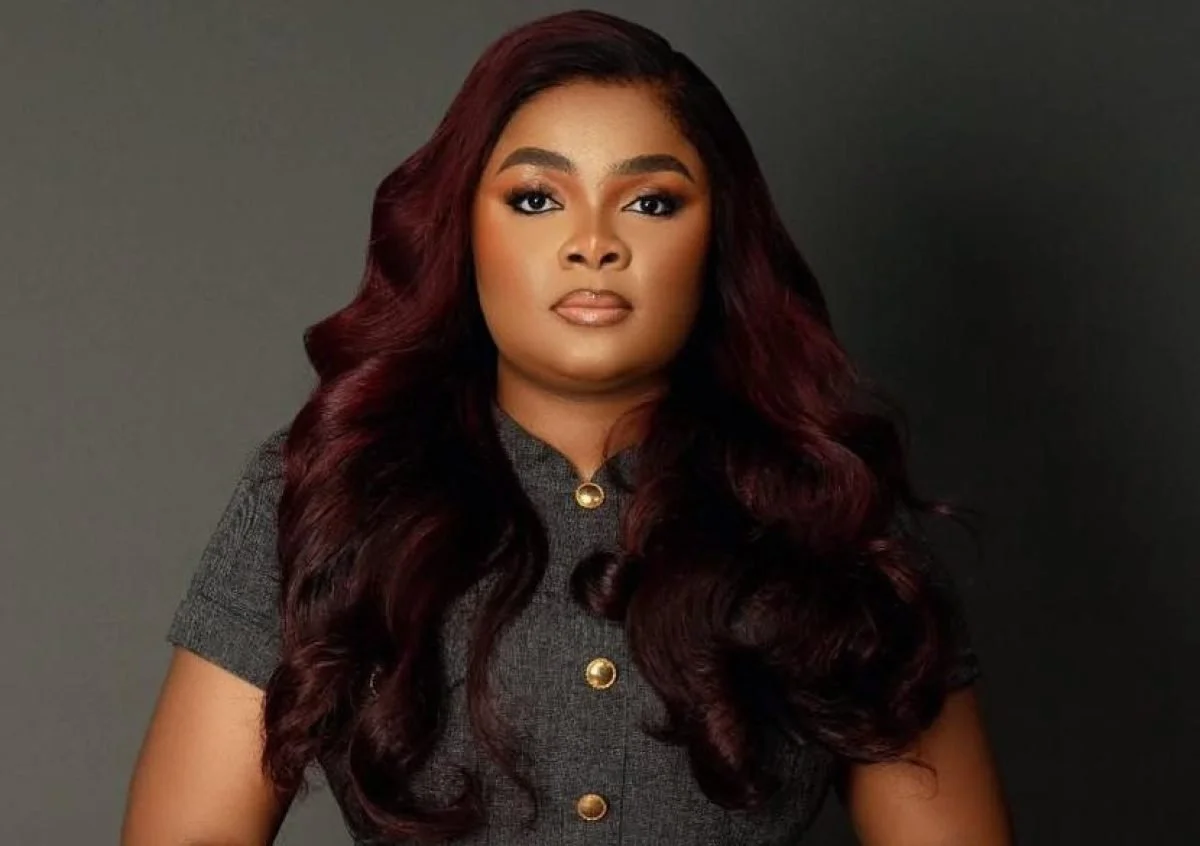
Nollywood actress and filmmaker Bimbo Ademoye has doubled down on her fight against what she described as a blatant case of intellectual property theft, vowing to pursue justice through legal means.
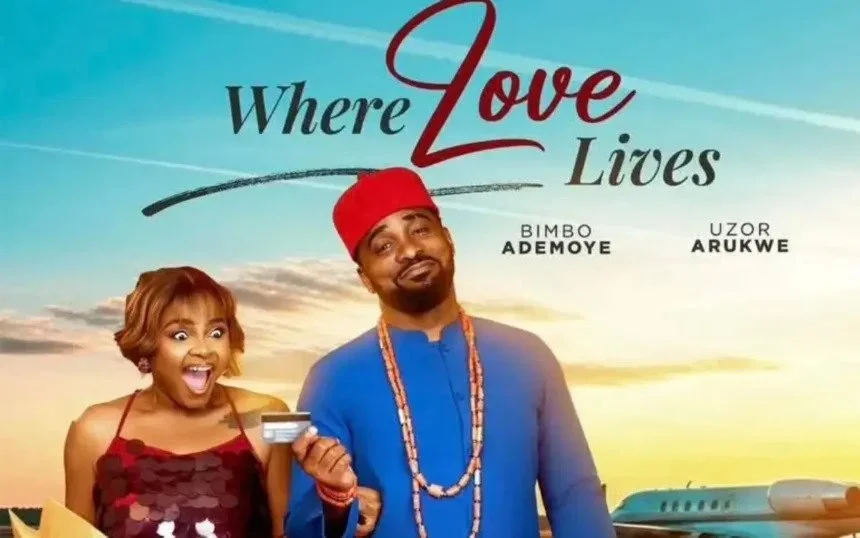
In a detailed statement shared on her Instagram page, Ademoye explained that she initially took down earlier posts about the issue on the advice of her management. However, she returned to clarify the situation after discovering that monetisation had been removed from her movie, Where Love Lives.
According to the actress, the issue stemmed from a song used in the film—one she said she fully owns and used with complete approval from the artiste. Ademoye alleged that an individual identified as Emmanuel Davies unlawfully claimed ownership of the song and filed copyright reports against it. This action, she said, resulted in the removal of monetisation and the redirection of the movie’s revenue.
The actress stressed her professionalism, noting that she carries out thorough due diligence and pays for all soundtracks used in her films. She expressed disbelief that someone could allegedly steal her song and present it as their own.
Ademoye revealed that the matter has been reported to the authorities and declared that she would not relent until justice is served. She also appealed to the public to provide any useful information about Emmanuel Davies to assist ongoing investigations.
In a related revelation, the actress referenced a previous copyright dispute involving another individual, Anwuli, over her film To Be a Friend. She disclosed that she rejected an out-of-court settlement in that case, choosing instead to let the law take its course. That incident, she said, led to the loss of a film that had amassed over six million views.
Opinion: A Defining Stand for Creative Rights in Nollywood
Bimbo Ademoye’s decision to fight this battle publicly and legally goes beyond personal loss—it speaks to a larger crisis in the Nigerian creative industry. Copyright abuse, false claims, and monetisation theft have become recurring nightmares for filmmakers and content creators, especially in the digital age.
By refusing to settle quietly and insisting on a court judgment, Ademoye is sending a strong message: creative work deserves protection, and accountability matters. Her stance may be uncomfortable for some, but it is necessary if Nollywood hopes to grow into a globally respected industry where creators are safe from exploitation.
This case could become a turning point—one that encourages stronger copyright enforcement and empowers other creatives to stand their ground. For many observers, Ademoye’s resolve is not just admirable; it’s long overdue.