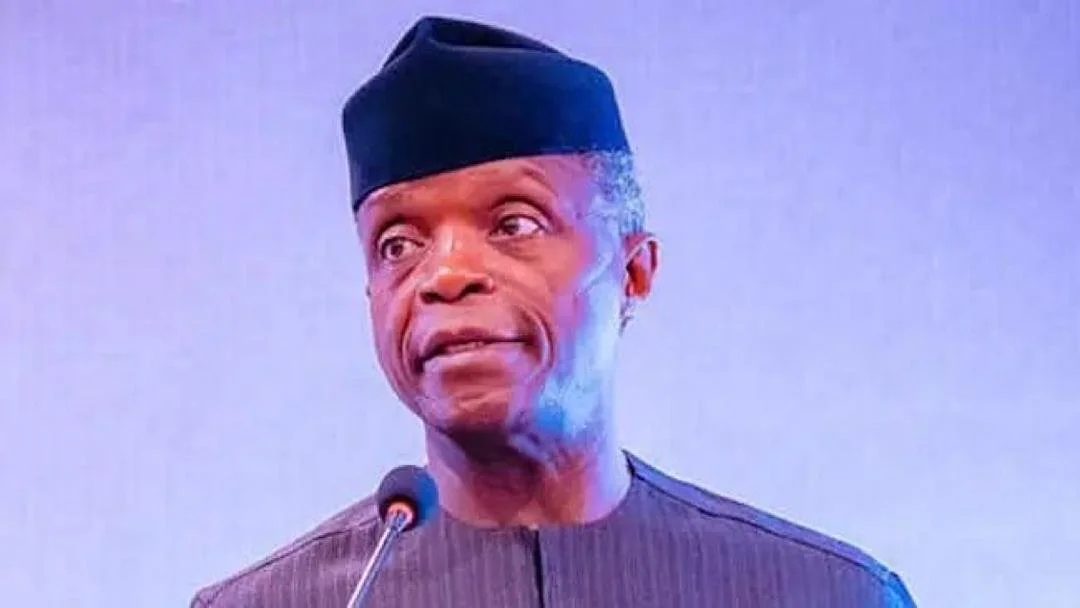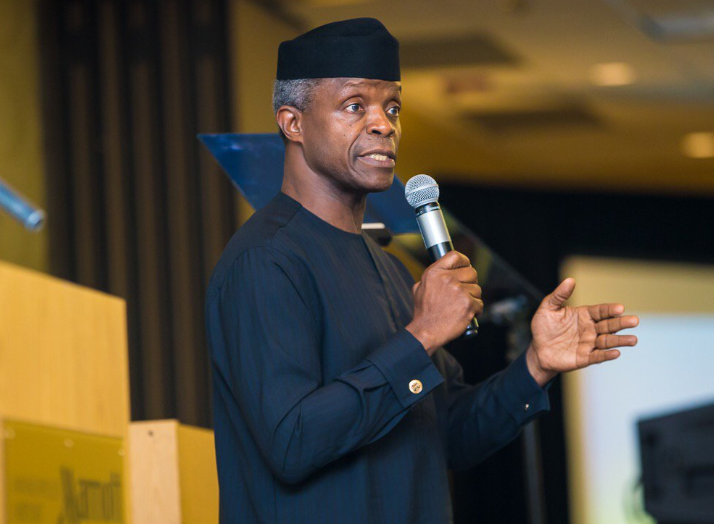
Yemi Osinbajo Shares Viral Story of How Somalia Encounter Made Him Quit Alcohol
Former Vice President of Nigeria, Yemi Osinbajo, has gone viral after narrating a humorous but personal story about how an unexpected experience in Somalia led him to stop drinking alcohol completely.
Speaking in a widely circulated video, Osinbajo explained that although he is a pastor, he previously consumed alcohol occasionally, including beer and red wine.
“I occasionally enjoy my red wine, and then I enjoy my beer,” he said.
He recounted that the turning point came during his time serving in a United Nations justice mission in Mogadishu, Somalia. According to him, he had gone to a restaurant one Sunday after preaching, intending to buy beer and return to his room to read.
However, upon entering the restaurant, he noticed several international colleagues already drinking. He said the atmosphere changed when they saw him.
“They quickly hid their drinks when they saw me,” he explained.
Osinbajo added that when he confronted a Danish colleague who was concealing his drink, the man responded: “You are the priest, and we cannot be drinking around the priest.”
He said the encounter struck him deeply, interpreting it as a personal moral reflection. Citing a biblical principle about responsibility and discretion, he said he understood the message and decided from that moment to stop drinking alcohol entirely.
Since the video surfaced online, it has generated mixed reactions, with some users finding the story humorous and relatable, while others used it to revisit discussions about his public image and past leadership role.
Opinion: A Light Story, But a Deeper Reflection on Public Perception
The story shared by Yemi Osinbajo is humorous on the surface, but it also reveals something deeper about how public figures are perceived and how that perception influences personal choices.
In his case, being seen as a “priest-like” figure by colleagues clearly created a moment of self-reflection. Whether intentional or not, it shows how leadership roles often come with expectations that extend beyond official duties into personal behaviour.
Interestingly, the story also highlights how moral identity is sometimes shaped externally—through how others react to us—rather than solely through private conviction.
However, the online reactions show another reality: once a public figure shares a personal story, it becomes open to interpretation, criticism, and even political framing. What was intended as a light, reflective moment can quickly become part of broader public discourse.
Ultimately, the anecdote serves as a reminder that leadership is not only about policies and governance, but also about perception—and how even casual actions can influence how others see responsibility and integrity.