Nigeria's World Cup Absence Sparks Reflection as Focus Shifts to 2030
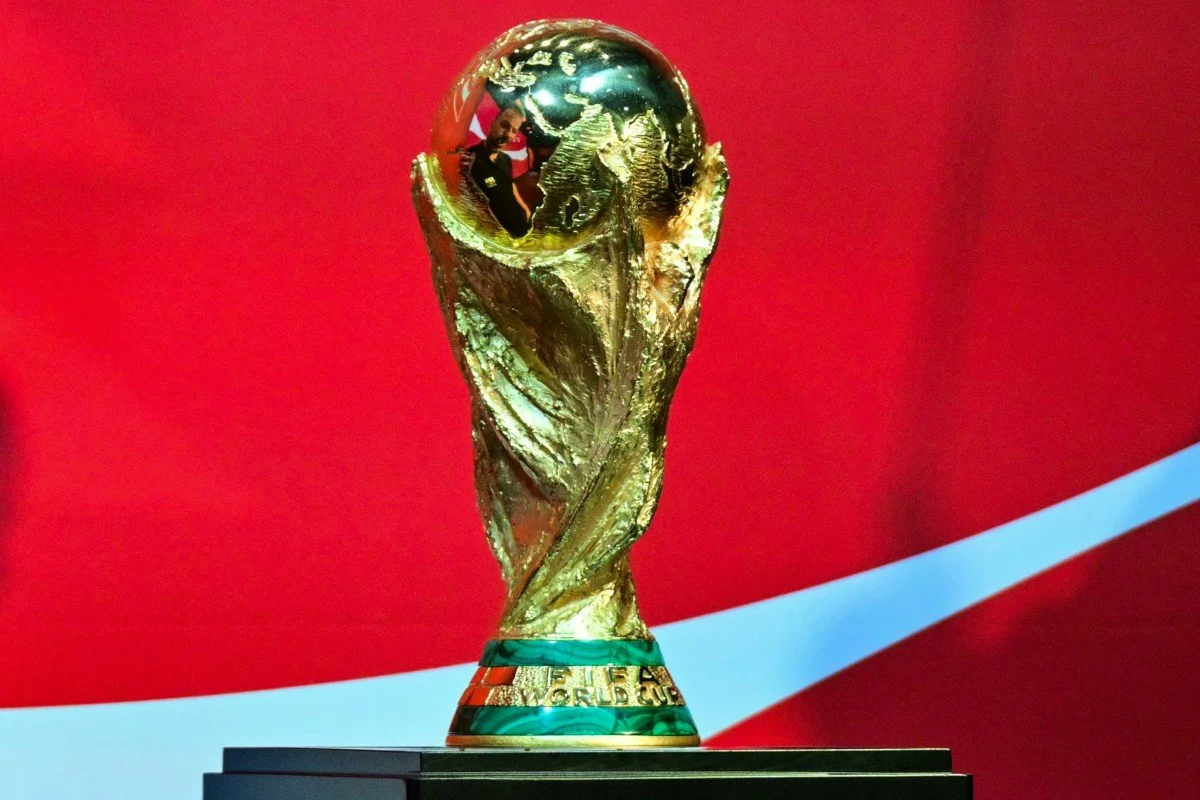
As excitement builds ahead of the 2026 FIFA World Cup in North America, one of Africa's traditional football powerhouses will be watching from the sidelines.
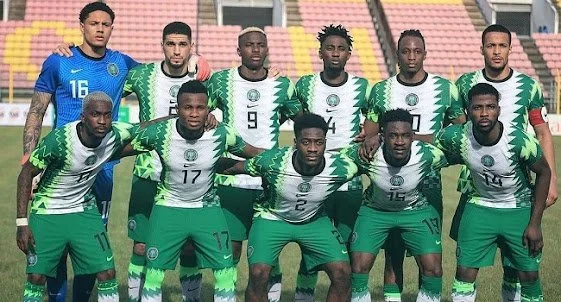
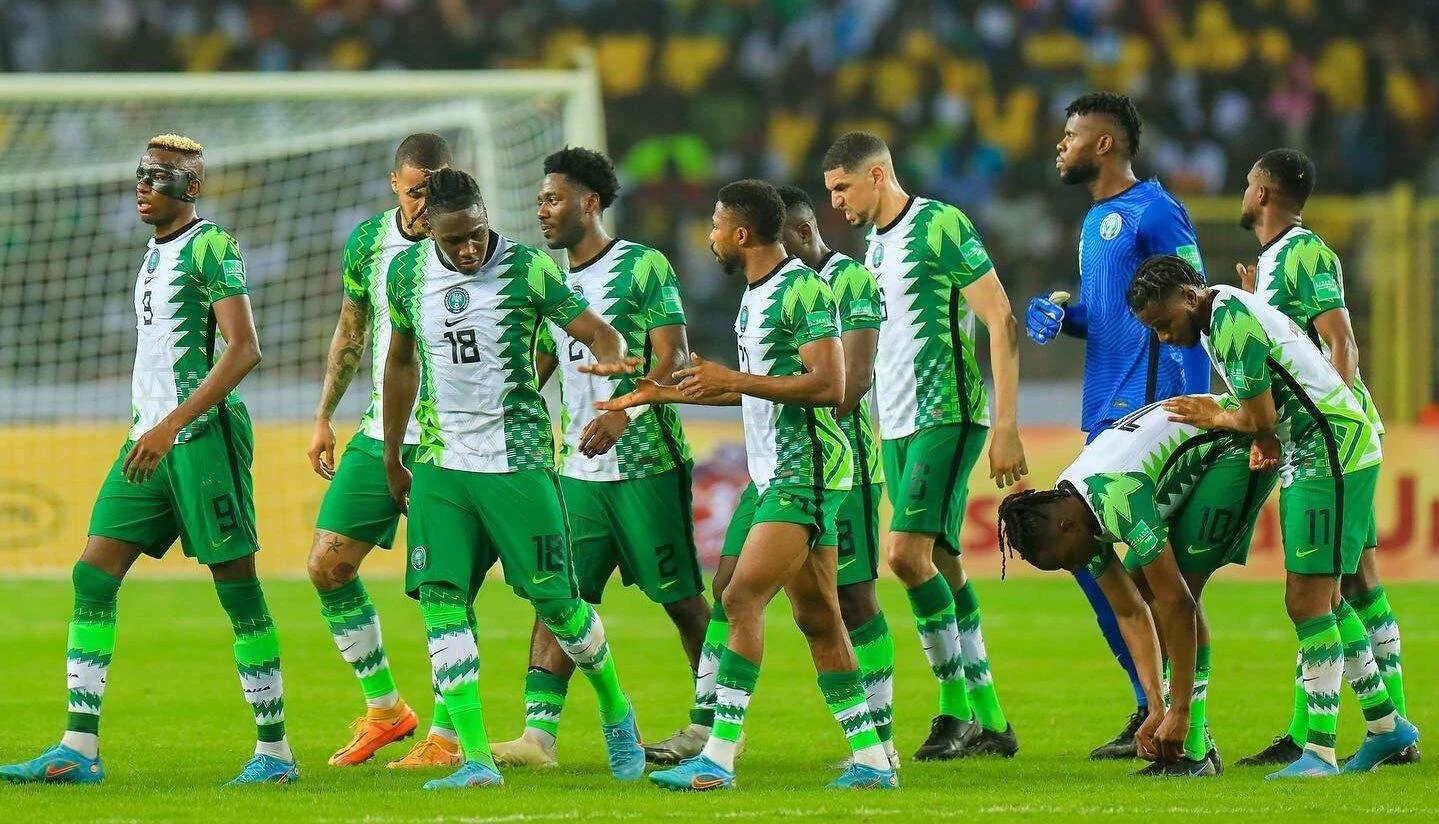
Nigeria's Super Eagles have failed to qualify for the tournament, marking the second consecutive World Cup the three-time African champions will miss. The disappointment has prompted widespread debate among fans, analysts, and football stakeholders about the future direction of Nigerian football.
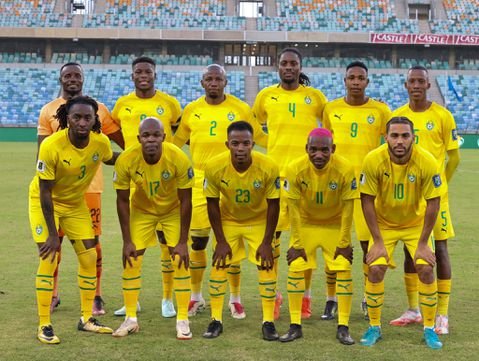
Drawn in a qualifying group alongside South Africa, Benin, Lesotho, Rwanda, and Zimbabwe, Nigeria entered the campaign as one of the favourites to secure automatic qualification. However, a series of costly draws ultimately proved decisive.
The Super Eagles won four matches, drew five, and lost just once during the qualification campaign. Despite suffering only one defeat, dropped points against Rwanda and Zimbabwe proved damaging, allowing South Africa to edge ahead in the standings.
Injuries also played a significant role in Nigeria's struggles. The absence of key striker Victor Osimhen during crucial stages of the campaign affected the team's attacking efficiency, with the Super Eagles finding goals harder to come by without their leading forward.
Attention Turns to the Future
With the disappointment of 2026 now behind them, discussions have already shifted toward rebuilding for the 2030 World Cup.
Reports suggest changes could be on the horizon both on and off the pitch as Nigerian football authorities seek solutions to the challenges that have contributed to the team's recent struggles.
Many observers believe the country's football development system requires urgent attention, particularly at youth level. Nigeria has historically been regarded as one of Africa's leading producers of football talent, but recent years have seen a decline in youth-team success and international qualification campaigns.
The concern among stakeholders is that unless structural issues are addressed, the Super Eagles could face similar challenges in future qualification cycles.

Opinion: Missing the World Cup Is a Symptom, Not the Disease
Nigeria's failure to qualify for another World Cup is undoubtedly disappointing, but the bigger issue extends beyond a single tournament.
For years, the country has relied heavily on individual brilliance rather than sustainable football development. While talented players continue to emerge, questions remain about grassroots investment, youth development, coaching standards, and long-term planning.
The World Cup absence should serve as a wake-up call rather than merely a source of frustration. Successful football nations consistently invest in academies, infrastructure, and player pathways. Nigeria possesses the talent, population, and football culture to compete with the best, but those advantages must be matched by effective administration and strategic planning.
The encouraging aspect is that there is still time to rebuild before the 2030 World Cup. With a new generation of players emerging and experienced stars still available, the foundations for a strong comeback exist.
The challenge now is ensuring lessons are learned. If meaningful reforms are implemented, Nigeria's absence from the 2026 World Cup could become the catalyst for a stronger and more competitive future. If not, the same conversations may be repeated four years from now.