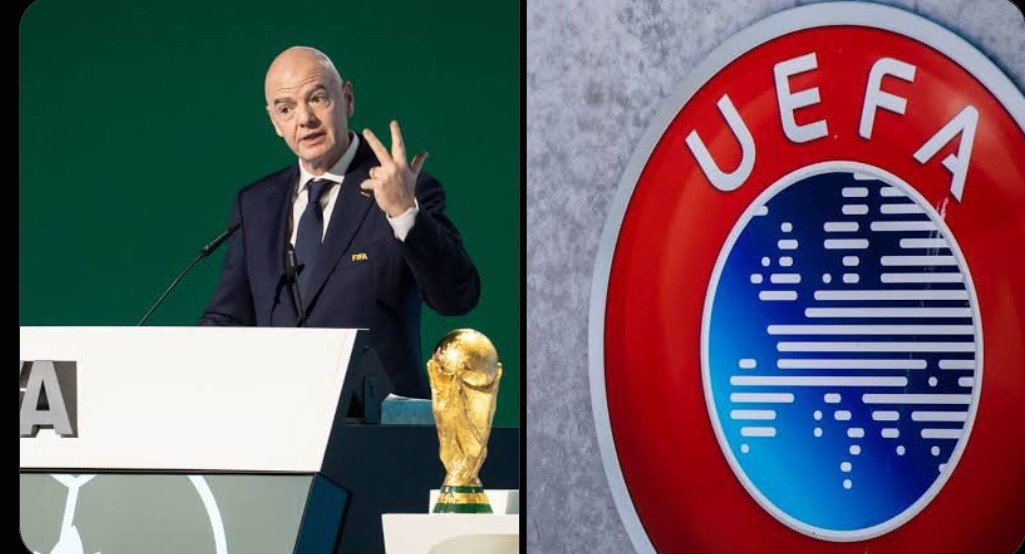
UEFA Threatens FIFA Boycott Over Infantino’s Reported World Cup Investment Plan
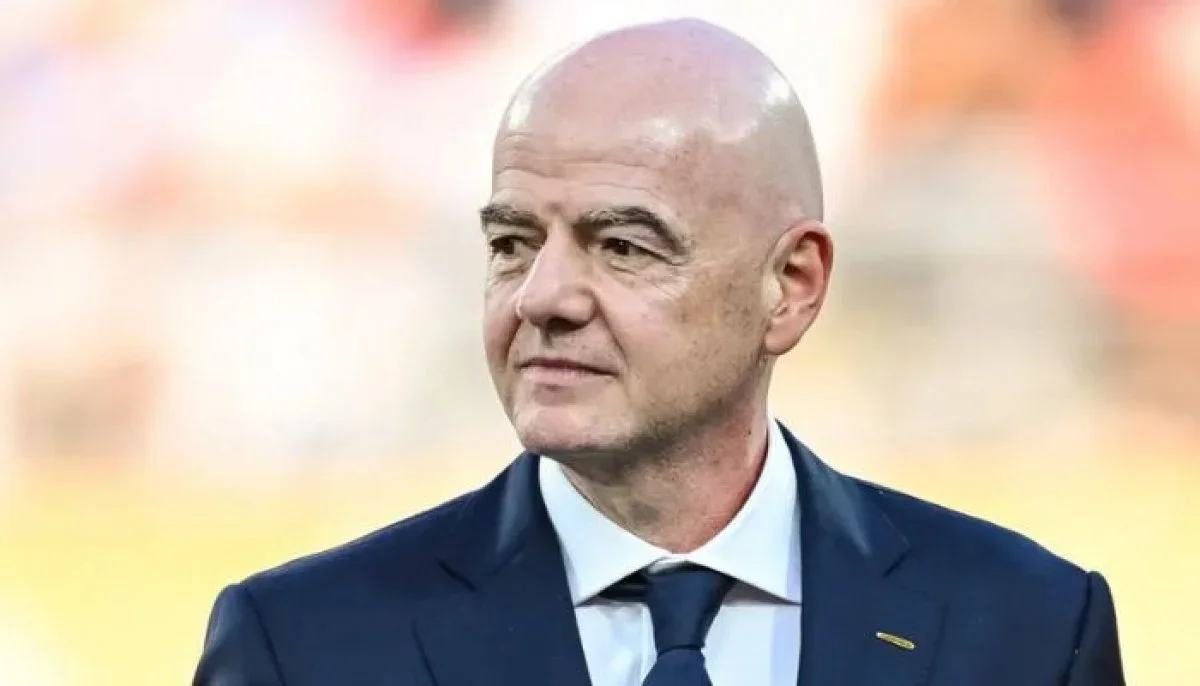
European football's governing body, UEFA, has issued a strong warning that its member associations will boycott FIFA competitions if FIFA President Gianni Infantino proceeds with a reported proposal to sell a stake in the FIFA World Cup and other major tournaments to private investors.
According to UEFA, the decision was unanimously endorsed during an emergency meeting involving representatives from all 55 member associations.
The reported proposal would allow private investors to acquire ownership interests in FIFA competitions, with football associations allegedly being offered financial incentives worth £30.1 million ($40 million) to support the initiative before a September 19 deadline.
In a strongly worded statement, UEFA declared its outright opposition to the plan, insisting that football's most prestigious tournament should never become a commercial asset.
"UEFA and its national associations will not participate in FIFA competitions," the statement began.
The organisation argued that the FIFA World Cup represents one of football's greatest sporting legacies, built over generations by players, national teams, and supporters across the globe.
"The World Cup cannot be treated as an investment product... The World Cup is not for sale," UEFA stated.
The governing body also criticised the reported lack of consultation surrounding the proposal, describing the process as a failure of leadership and accusing FIFA of presenting national associations with an unacceptable ultimatum.
UEFA warned that introducing private ownership into football's premier competitions would fundamentally alter how the sport is governed.
According to the statement, commercial pressures from shareholders could eventually influence decisions on competition formats, the international calendar, and the broader direction of world football.
The organisation maintained that football's future should be guided by the interests of players, clubs, supporters, and national associations—not investor returns.
UEFA concluded by announcing that its national teams would refuse to participate in FIFA competitions for as long as the proposal remained active, unless it was completely withdrawn and FIFA provided assurances that its competitions would never be opened to private ownership.
At the time of writing, FIFA had not publicly responded to UEFA's latest statement.
Opinion: Football Faces One of Its Most Significant Governance Debates
If the reported proposal accurately reflects FIFA's intentions, the disagreement between FIFA and UEFA represents one of the most consequential governance disputes modern football has witnessed.
On one hand, governing bodies often seek new financial models to expand competitions, invest in infrastructure, and grow the global game. On the other, UEFA's concerns highlight a broader question about whether football's most historic tournaments should remain under purely sporting governance or become partially influenced by commercial investors.
It is important to note that the details of the reported proposal and the positions of all stakeholders may continue to evolve. Until FIFA provides a full public explanation, many questions remain unanswered.
What is already clear, however, is that any prolonged standoff between FIFA and UEFA would have enormous consequences. A World Cup without Europe's national teams would dramatically alter the competition's sporting quality, global appeal, and commercial value.
For the good of the game, meaningful dialogue between both organisations will be essential. Whatever the outcome, decisions affecting the future of the World Cup should prioritize the long-term interests of football, its players, and its supporters above all else.