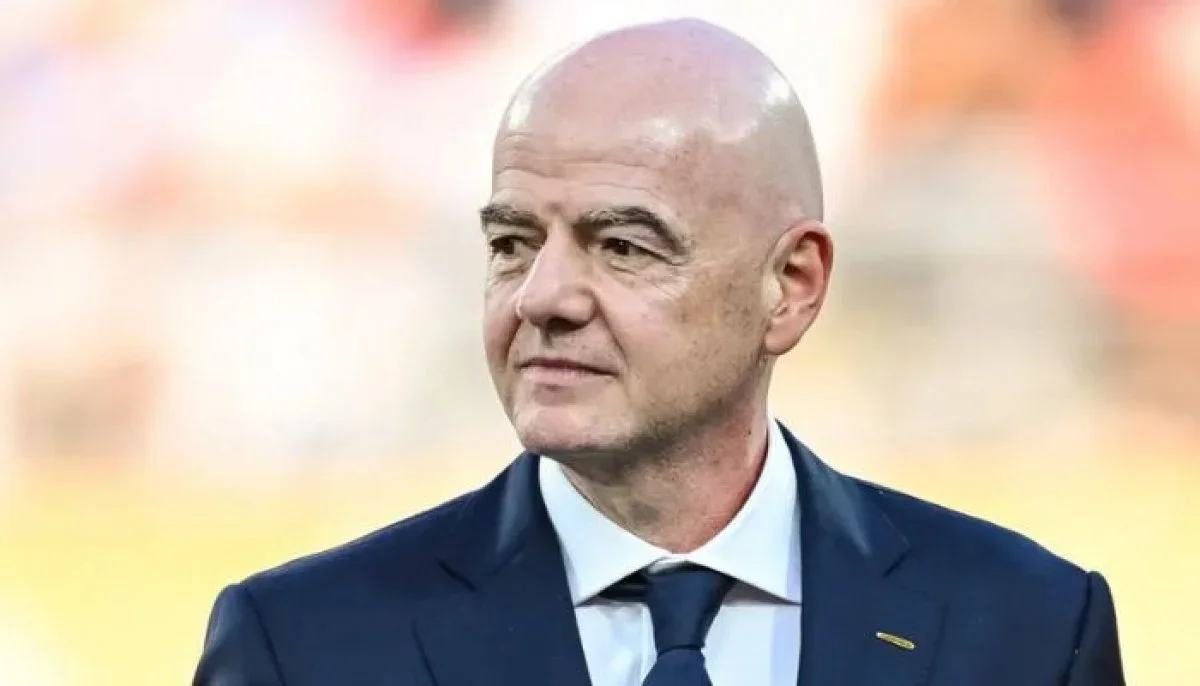
Infantino Backs Down as FIFA Drops Controversial World Cup Investment Plan
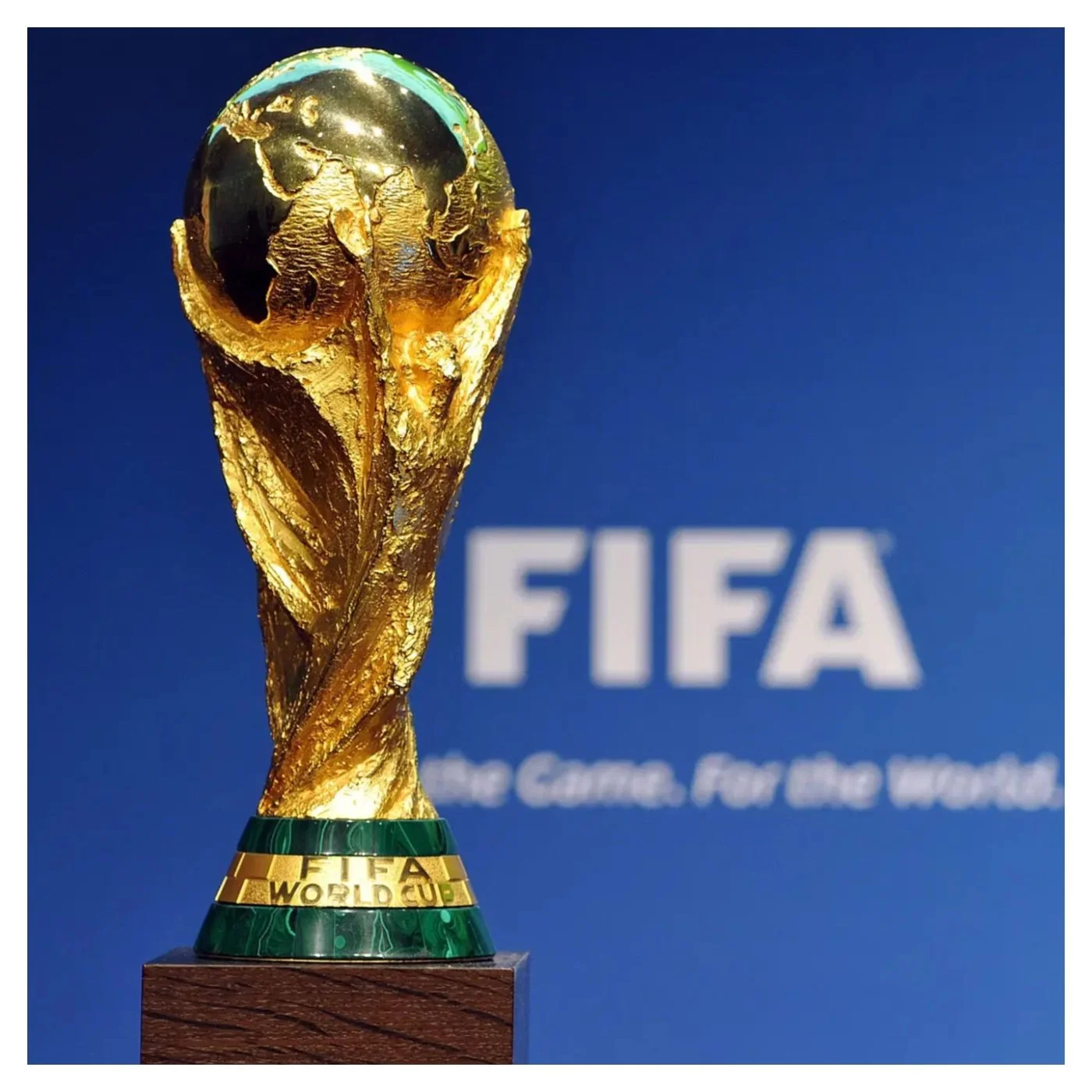
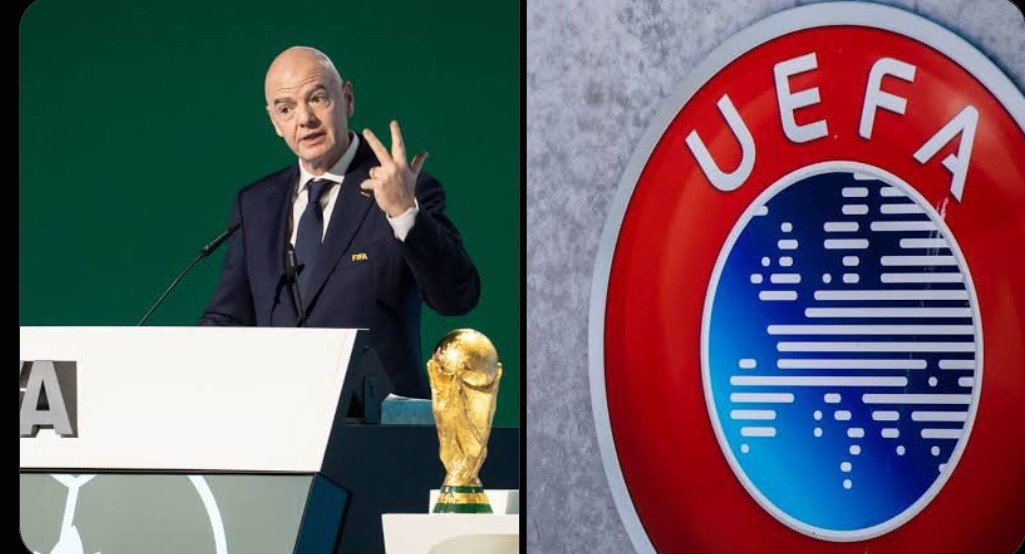
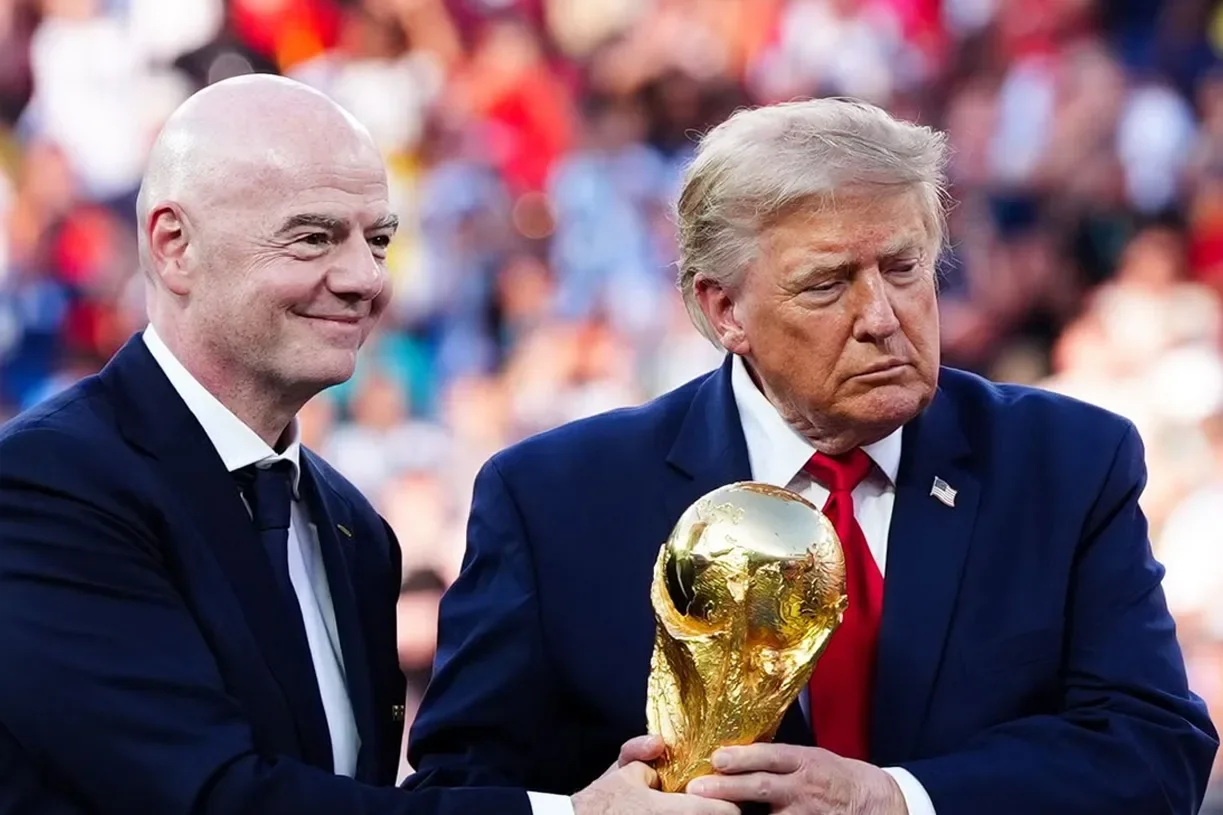
FIFA President Gianni Infantino has officially withdrawn plans to sell stakes in the FIFA World Cup to private investors after facing widespread opposition from major football governing bodies and senior officials within FIFA.
The proposal, which would have seen FIFA sell $4.1 billion worth of shares in its flagship tournament, encountered strong resistance from UEFA, CONCACAF, the Asian Football Confederation (AFC), as well as two members of FIFA's own leadership.
Following the backlash, Infantino announced that the plan would no longer proceed, admitting that the proposal had become too divisive.
In a statement, the FIFA president said:
"Having listened carefully to all the views, it has become clear that the project has created divisions of a nature that, regardless of the level of support, are no longer in the interest of the objective set out in the first place."
He added:
"Our purpose has always been – and will always be – to unite and improve. As a result, this proposal will not proceed."
Infantino also reaffirmed FIFA's commitment to expanding football globally, particularly in developing nations that require greater financial and structural support.
"The objective is to continue growing football everywhere, and particularly in those countries that mostly need our support," he said.
The decision brings an end to one of the most controversial governance debates in recent football history, with critics arguing that allowing private investors to own a stake in the World Cup could compromise the integrity and long-term stewardship of the sport's most prestigious tournament.
The reversal is likely to be welcomed by football associations, clubs, players, and supporters who feared that commercial interests could take precedence over the sporting values that have defined the World Cup for generations.
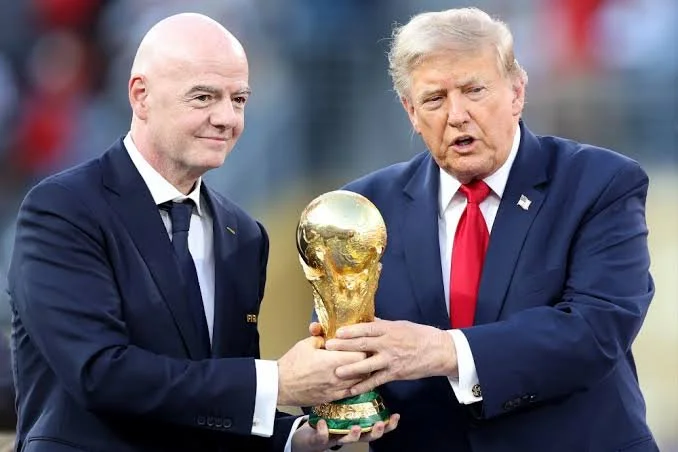
Opinion: A Rare Victory for Football's Traditional Values
Gianni Infantino's decision to abandon the proposal reflects the importance of listening to football's stakeholders when major structural changes are proposed. The strong opposition from continental governing bodies demonstrated that many within the game believe the FIFA World Cup should remain a sporting institution rather than a commercial asset open to private ownership.
While attracting investment can accelerate development and generate additional revenue, the concerns raised were understandable. Once private investors gain ownership interests, commercial returns inevitably become a factor in decision-making, potentially influencing competition formats, scheduling, and long-term priorities.
By stepping back from the proposal, FIFA has avoided a confrontation that risked creating deep divisions across world football. The episode also serves as a reminder that the World Cup is more than a financial enterprise—it is a global sporting tradition whose value lies not only in its commercial success but also in its cultural significance and universal appeal.