N1,360 to the Dollar, 26.5 Per Cent and Holding: The Economy Beneath the Election Noise
Away from the campaign rallies and the party defections, a quieter set of numbers is doing more to shape how Nigerians actually feel about this election season than any candidate's stump speech. Petrol prices that fall, then climb again within two weeks. A currency that has stopped its free-fall but still trades north of N1,360 to the dollar. An interest rate the central bank refuses to move, meeting after meeting.
None of it is on a ballot on Saturday. All of it sits underneath the ballot, shaping what voters weigh when they judge the government's record.
Here is what the numbers actually say, stripped of the noise around them.
The Rate That Would Not Move
The Central Bank of Nigeria's Monetary Policy Committee held its benchmark interest rate at 26.50% at its 306th meeting, held July 20 to 21, 2026 — the second consecutive hold after a long run of increases. The Cash Reserve Ratio stayed at 45% and the liquidity ratio at 30%, per Financial Afrik and Premium Times.
A hold is not a cut, and it is worth being precise about what that means. Borrowing stays expensive for businesses trying to expand and for the government financing its own deficit. For a small business owner weighing a loan to restock ahead of the festive season, 26.5% is the same expensive number it was in May.
The Cash Reserve Ratio and liquidity ratio settings matter beyond the headline number, too: together they shape how much of every naira deposited in a Nigerian bank that bank is actually free to lend out, rather than park with the central bank.
Two consecutive holds, rather than a cut, tells its own story: the committee sees enough progress to stop tightening, but not yet enough to start easing.
Inflation, Down But Not Out
Headline inflation eased to 15.91% in June 2026, down slightly from 15.93% in May, according to the National Bureau of Statistics. That is a genuinely different country from the 30%-plus peaks of 2024 — a real, measurable improvement the government is entitled to point to.
But the monthly figures still show prices climbing, with the month-on-month Consumer Price Index up 1.66% in June alone, as BusinessDay noted. Disinflation, in other words, means prices are rising more slowly. It does not mean prices are falling, and Nigerians do not experience it as relief at the market — they experience it as a slower rate of getting worse.
The direction is still worth noting on its own terms. A country coming down from inflation above 30% does not return to single digits in a single year, and the second consecutive monthly easing is the kind of trend economists watch for confirmation, not just a one-off dip.
A Naira That Has Stopped Falling, Not Recovered
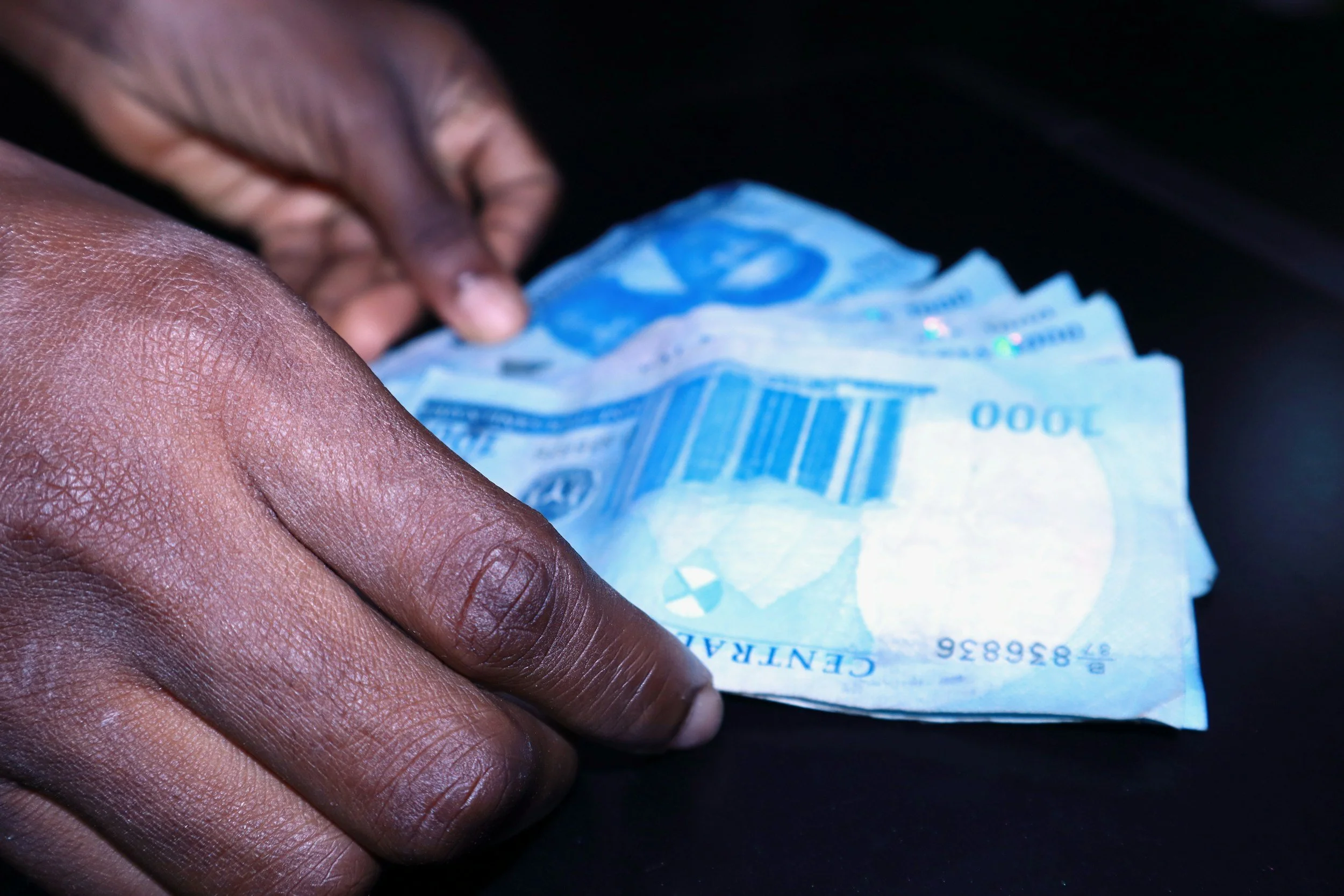
The naira traded around N1,368 to the dollar on the official NFEM window on August 11, and at N1,360.58 on the CBN's own rate the following day, per Vanguard. The parallel market sat close to N1,405.
Compared with the depreciation spirals of recent years, relative stability at this level counts as progress. Compared with where the naira traded before the 2023 float, though, it is still a currency worth dramatically less — stability at a weaker level is not the same as recovery.
The spread between the CBN's own rate and the parallel market — a little over forty naira on these figures — is itself a data point: a persistent, if narrower than in past turmoil, gap between the official price of dollars and what Nigerians actually pay for them outside the banking system.
The Petrol See-Saw, Explained
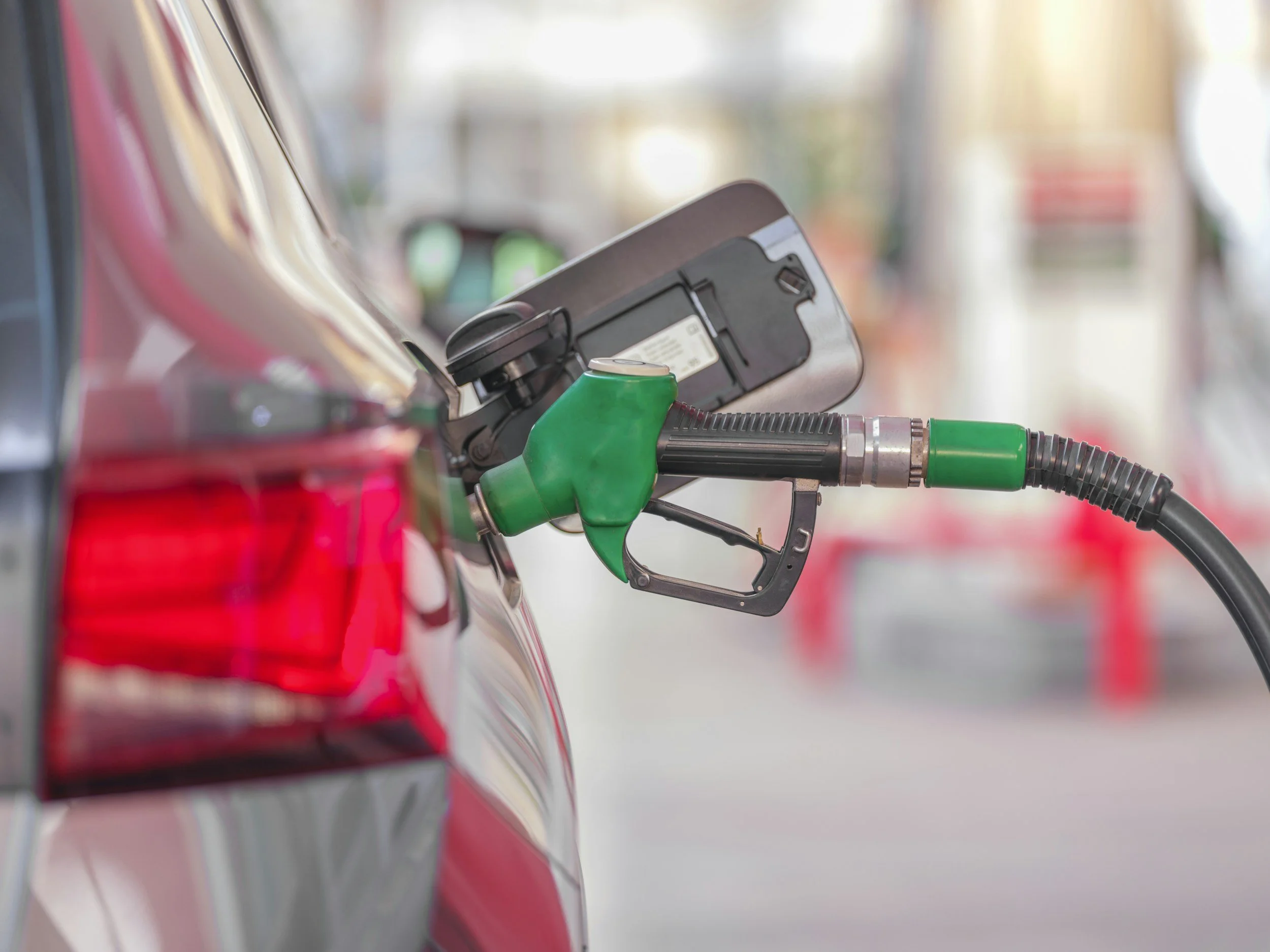
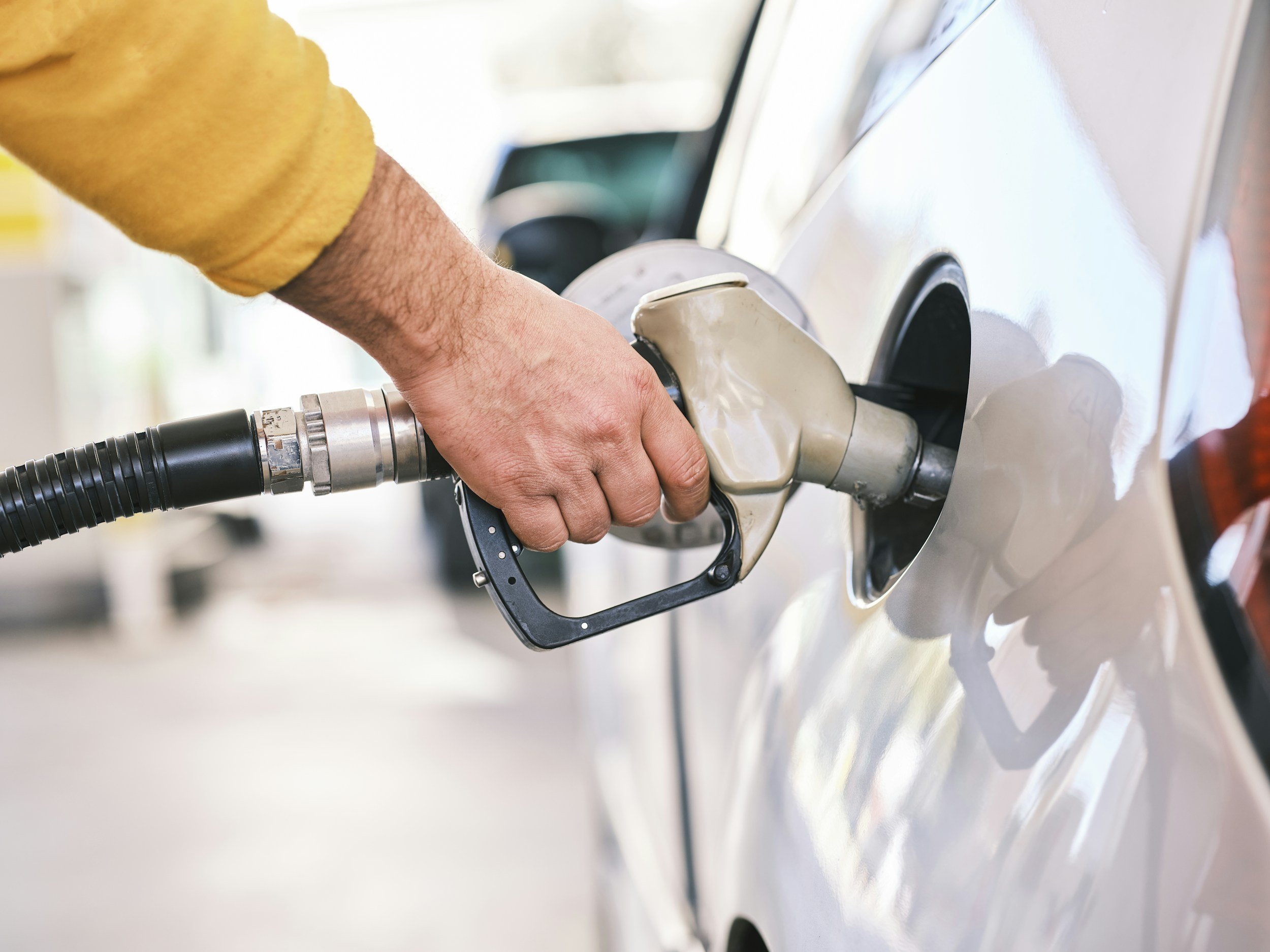
The clearest evidence that Nigeria's fuel market is now tracking global crude, not government decree, showed up in early August. Dangote Refinery cut its ex-depot petrol price from N1,215 to N1,165 a litre and diesel from N1,650 to N1,570 on August 5, after Brent crude fell below $80 a barrel, AllAfrica reported. Marketers followed the same direction: MRS dropped pump prices from N1,270 to N1,210, and AP from N1,260 to N1,220.
The relief was short-lived. By mid-August, as crude climbed back toward $90 a barrel, the refinery reversed course and depot rates were reported near N1,200 again — erasing roughly two weeks of relief within days.
Two price moves, zero government decisions, explain the entire swing. That is either reassuring evidence that the fuel market is finally working as designed, or a reminder that Nigerian pump prices are now hostage to a commodity trader's screen in London as much as to any minister's decision in Abuja — depending on which risk worries you more.
Petrol at the pump moved twice in two weeks — down on August 5, back up by mid-August — tracking Brent crude, not any decision made in Abuja.
The Gap Between The Data And The Doorstep
Every figure above is real and independently verifiable. None of it is what a Nigerian paying for fuel, food or transport this week would recognise as "the economy getting better." That gap, between an improving dashboard and an unchanged daily experience, is the terrain both government and opposition are contesting as campaign season builds toward January.
It is also why competing claims about the economy rarely change many minds. Cite the disinflation numbers, and you are technically correct. Point at the petrol pump, and you are also correct. Nigeria's economy in August 2026 is genuinely both of those things at once.
What The Government Says It Adds Up To
Addressing NUPENG on August 14, President Tinubu said he "won't blame predecessors" for Nigeria's inherited economic problems, and that Nigerians will ultimately enjoy the benefits of his reforms.
The numbers support a narrower claim than the one being made on the campaign trail. Inflation is genuinely easing. The naira has genuinely stopped its worst slide. Neither of those is the same as prices falling or fuel getting cheaper, and a 26.5% policy rate held for a second straight meeting is the central bank's own admission that the job is not finished.
Nigerians heading into an election season are being asked to feel the difference between "worse more slowly" and "better." The data says they are, for now, only getting the first one.