N1,600 A Litre: The Number That Will Decide January
Petrol averages roughly N1,600 per litre nationally and the naira trades near N1,350 to the dollar. Three years of reform have produced a macroeconomic case the government can defend and a household reality it has to survive.
Every Nigerian election has one number that does more work than any manifesto. In January it will be the pump price.
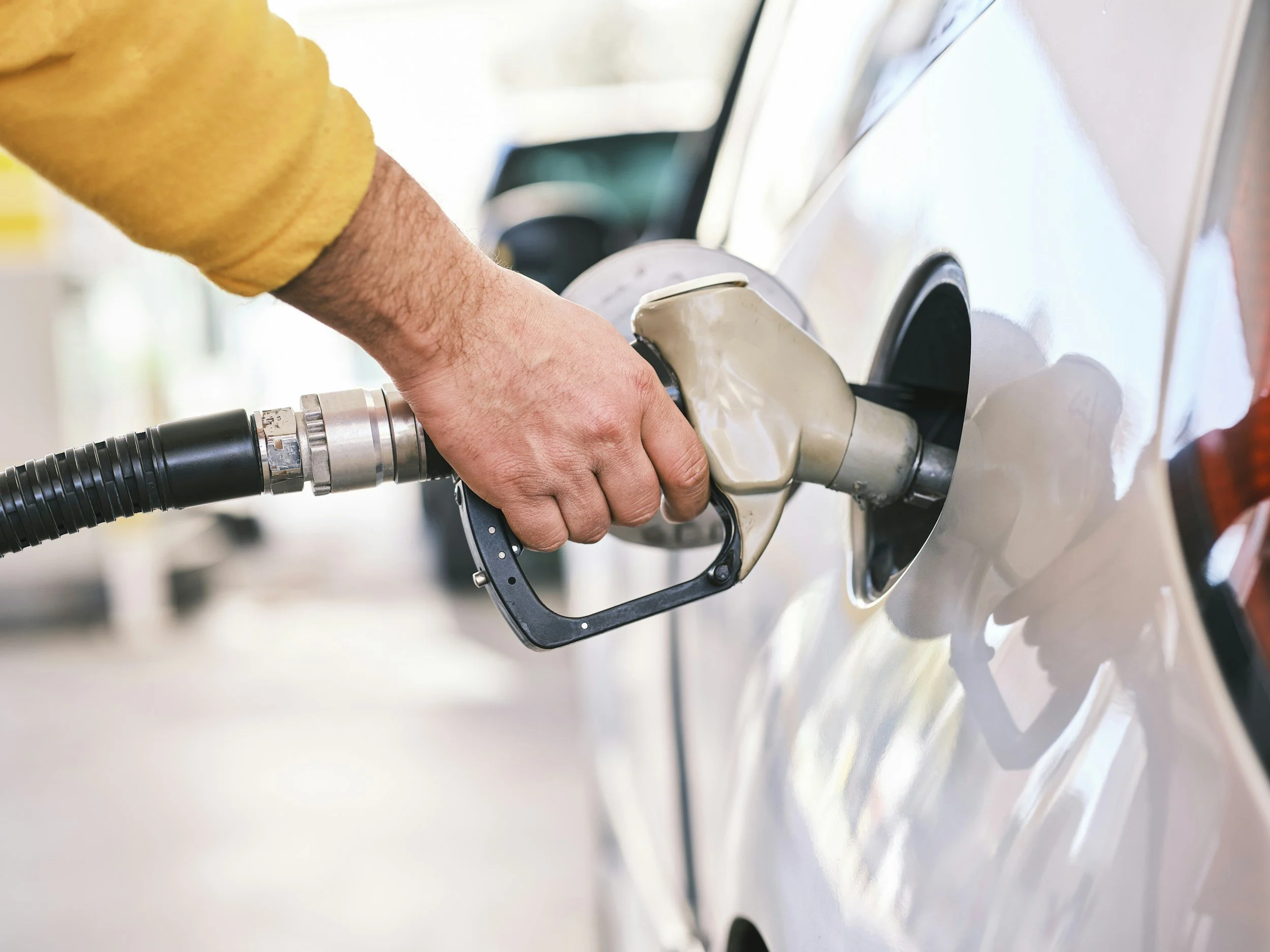
Petrol prices nationally average roughly N1,600 per litre. That is lower than in neighbouring Ghana and Ivory Coast, a comparison the government makes often and which is true. It is also far above what a generation of Nigerians grew up regarding as normal, and cheap fuel was for decades the single most tangible benefit most citizens received from the state.
The two honest arguments
The reform case is real. Fuel subsidy consumed an enormous share of public spending, disproportionately benefited people who owned cars, was systematically defrauded, and was not survivable at the volumes it had reached. Devaluation ended a parallel-market distortion that had turned foreign exchange access into a rent for the well-connected. Electricity subsidy cuts were part of the same logic.
The cost-of-living case is equally real. Living standards for millions have crumbled over the past three years. Removing a subsidy is a macroeconomic decision; paying N1,600 a litre is a household one. Transport costs feed into food prices, food prices feed into everything, and the compensating transfers have not reached most of the people the reforms hit.
Both of these things are true simultaneously. That is why the argument has been so bitter and so unproductive.
Where the campaign will actually fight
Not over whether the subsidy should have gone. Atiku has historically been a subsidy-removal advocate himself, which limits how hard he can hit that specific note. The fight will be over sequencing and cushioning: whether the reforms were done in the right order, at the right speed, with anything like adequate protection for the people who absorbed the shock.
Removing a subsidy is a macroeconomic decision. Paying N1,600 a litre is a household one.
That is a harder argument to compress into a slogan, which is why it will mostly be conducted through the pump price instead. A number everybody sees weekly beats a policy argument nobody can summarise.
The thing to watch
Watch the direction of travel, not the level. Nigerian voters have shown they will tolerate a painful number that is visibly improving and will punish a moderate number that is visibly worsening. Competition in the downstream market has recently pushed depot prices around in both directions.
If the pump price is falling in December, the reform argument becomes survivable. If it is climbing, no amount of macroeconomic framing will help.
Where the money actually went
The strongest version of the reform argument is not about theory. It is about who the subsidy was paying.
A fuel subsidy is, by design, a transfer proportional to consumption. The households consuming the most petrol are those that own vehicles, and vehicle ownership in Nigeria is concentrated among the wealthiest. A poor household with no car received the benefit only indirectly, through transport fares, while the largest single beneficiaries were the people best placed to absorb the true price.
Layered on top of that was a well-documented history of fraud in the subsidy claims process, in which volumes were inflated and payments were made against fuel that was never delivered to Nigerian consumers.
What a serious cushion would have looked like
Removing a transfer of that size requires a replacement that is large, fast and legible. Nigeria's was none of those.
Large means comparable in magnitude to the shock, not a token. Fast means arriving within weeks, not quarters. Legible means a household can predict what it will receive and when, which is what allows people to plan rather than simply absorb.
The palliative programme that followed was announced quickly and delivered slowly, against an incomplete social register, in amounts that did not approach the size of the loss. That gap, rather than the policy itself, is the administration's real exposure in this campaign.
Sources: US News analysis; Vanguard; Nairametrics; GlobalPetrolPrices.
It is possible to hold both positions, and most economists I would trust do. The subsidy was fiscally impossible and socially regressive. Ending it was correct.
What was not correct was the pretence that a palliative programme announced in a press conference constitutes a cushion. If you remove the single largest transfer most citizens receive, you need a replacement transfer that is large, fast and legible. Nigeria's was none of those. The register was incomplete, the delivery was slow, and the amounts were not close to the size of the shock.
That gap is the government's real vulnerability in this campaign, and it is a vulnerability of competence rather than ideology. The opposition would be smarter attacking the delivery failure than relitigating the policy, because the delivery failure is indefensible and the policy is not.
Whether either of them is disciplined enough to run that argument for five months is a different question.
The government's favourite defensive statistic is that Nigerian petrol is cheaper than in Ghana or Ivory Coast. It is true. It will not move a single vote.
Nobody experiences their cost of living comparatively across borders. They experience it against their own memory and their own wage. A Lagos driver does not feel better about N1,600 because a driver in Accra pays more. He feels worse about N1,600 because he remembers paying a fraction of it and his income has not tripled.
Regional benchmarking is a tool for finance ministries, not for campaigns. Every time a government official reaches for it, what voters hear is: we do not think your problem is real.
If the administration wants to win this argument it has to make it forward-looking. Not 'you are better off than Ghana', but 'here is the specific month this stops hurting, and here is what happens if it does not'. That is a risky promise. It is also the only kind that works.