The 2026 Headies List Is Huge; Now Show Listeners How 213 Nominations Were Built
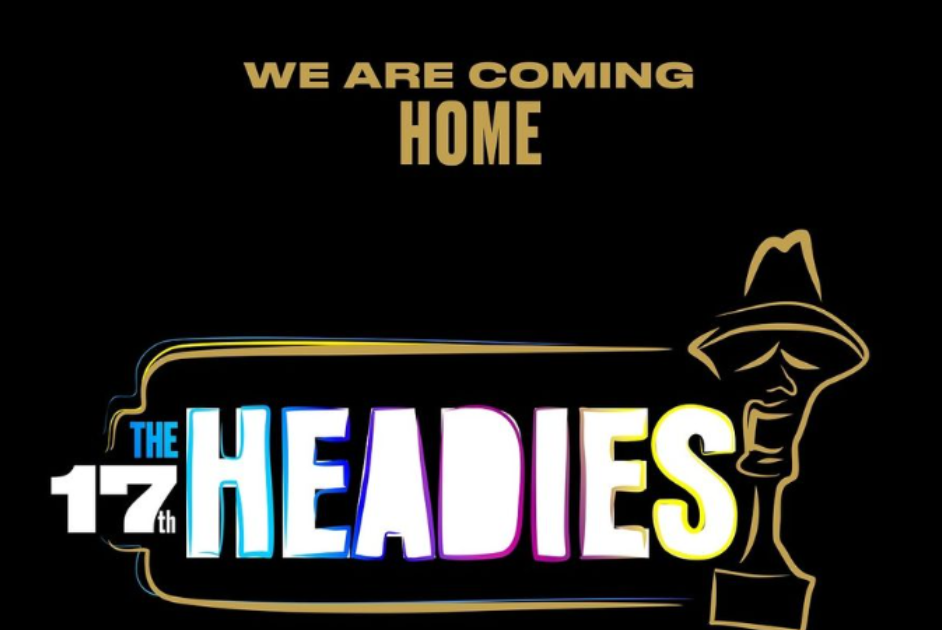
LAGOS, 26 August 2026 — The Headies has announced 213 nominations across 35 categories for its 2026 ceremony, scheduled for October 25 in Toronto. Fola leads with 10 nominations, Omah Lay has eight, while Mavo and Wizkid have seven each. Ayra Starr and Tiwa Savage lead the women with five nominations apiece.
The numbers show a broad awards programme with new and established names, albums, recordings, videos, performance and industry recognition. The stated eligibility window runs from August 1, 2024 to April 30, 2026.
Lists create conversation. Transparent rules determine whether that conversation strengthens trust or becomes another cycle of fan suspicion.
An unusually long eligibility window needs explanation
The announced period covers 21 months, longer than a conventional one-year cycle. There may be a reasonable scheduling explanation, but organisers should state it and show how releases were assessed across the whole window.
Long periods can favour songs with more time to accumulate streams and cultural impact. Later releases may feel fresher but have less data. Judges need guidance that balances those effects.
A searchable eligibility page would reduce confusion over release dates, remixes, deluxe editions and projects that appeared near the boundaries.
Publish the category definitions
“Best Recording,” “Song of the Year,” “Afrobeats Single” and “Digital Artiste” can overlap in the public mind. Each should have a plain-language definition and the evidence considered.
Technical awards should identify whether judging centres composition, performance, production, engineering or cultural reach. Popular categories should state the role of audience voting.
Clear definitions help fans disagree intelligently and help artists submit work to the correct category.
Show how nominations enter the room
Organisers should explain whether labels, managers and independent artists submit entries, whether a screening committee adds work, and whether fees apply.
Open submission dates and confirmation receipts matter for artists without major representation. A missed email should not erase an eligible body of work.
The screening stage should check dates, credits, category fit and required permissions before artistic voting begins.
Judges require visible conflict rules
A music industry is a network of collaborations, clients and competitors. Judges may have worked with nominees or their companies.
The Headies need not expose individual ballots to publish panel composition principles, confidentiality rules and recusal requirements. Conflicts should be recorded and managed rather than assumed away.
An independent process auditor could verify that rules were followed without choosing winners.
Credits must reach beyond the headline artist
Music is made by writers, producers, featured performers, engineers, directors, choreographers and designers. Nomination pages should carry verified credits appropriate to each category.
Disputes over ownership or contribution should have a deadline and evidence process. Awards cannot settle every contract conflict, but they should not knowingly repeat incorrect metadata.
Accurate credits also make the nominations a useful historical record of Nigerian and African music.
Next Rated carries unusual career weight
Fido, Fola, Llona, Mavo, Shoday and Zaylevelten were reported among Next Rated contenders, although published lists should be checked for consistency before voting. The category can change commercial attention overnight.
Eligibility should therefore define career stage, prior releases and previous nominations. Public voting systems need protections against automated manipulation and opaque bulk purchases.
The prize and any associated obligations should be published before fans spend money or data participating.
Gender balance needs more than two headline statistics
Ayra Starr and Tiwa Savage's five nominations show major recognition, and the Best Female Artiste category provides visibility. A deeper assessment would examine women across production, video direction, songwriting and technical fields.
Organisers should publish nomination distribution by category and role. The purpose is not to predetermine winners but to identify where industry pipelines remain narrow.
Event safety, backstage access and anti-harassment rules are part of inclusion too.
Toronto should serve the theme
“Africa to the World” and a Toronto ceremony can connect the awards to a large diaspora and international industry. The choice also risks making access harder for local artists, media and fans.
Visa support, travel planning and performance logistics should begin early. Nominees should know what the organisers fund and what remains their responsibility.
Nigerian audiences need reliable live viewing at a reasonable hour, with an accessible replay. A global venue should expand reach rather than relocate the centre of attention.
Broadcast quality shapes credibility
Accurate captions, nominee graphics and award envelopes are basic. Delays and live-production mistakes happen, but rehearsals and a correction protocol matter.
Performances should be credited and rights-cleared. Clips posted after the show should identify songs and artists, allowing the ceremony to become a discovery tool.
An official nomination video is the correct embed for pre-show reporting; fan compilations may contain unlicensed music and incorrect lists.
Awards should document their corrections
With 213 nominations, errors are possible. The Headies should keep a dated corrections page explaining additions, removals or spelling changes.
Quietly editing a graphic leaves screenshots circulating and makes legitimate corrections look suspicious. A transparent log protects nominees and organisers.
Final winners, voting breakdowns where applicable and jury procedures should remain archived after October.
Fans deserve safe participation
Official voting links should be clearly distinguished from impersonation pages. Organisers need to warn fans about scams offering tickets, prizes or paid votes through private accounts.
Collection of phone numbers or emails must include privacy terms. Participation data should not be repurposed without consent.
Social debate can be passionate without targeted harassment. The show should celebrate competition while refusing abuse of nominees and voters.
Hall of Fame and special recognition need records
Awilo Longomba is due to receive the Hall of Fame honour, while entertainment executive Cecil Hammond is listed for special recognition. These awards can introduce younger audiences to careers that shaped African entertainment.
The ceremony should publish concise, verified biographies and examples of contribution. Tribute videos need accurate dates, rights-cleared footage and credits. Honour becomes more meaningful when the public can understand the evidence behind it.
Streaming figures need a methodology
If digital consumption informs categories or judging, organisers should state which platforms, territories and periods count. Raw totals can favour artists with larger catalogues or marketing budgets.
Data should be supplied or audited consistently, with fraudulent streams excluded where platforms identify them. A digital award should not be decided by whichever team presents the loudest private spreadsheet.
Independent artists need equal information
Major labels have staff who monitor deadlines and metadata. Independent acts may manage every task themselves. The Headies should publish reminders, submission guidance and a help channel early enough to correct technical errors.
Equal information does not guarantee equal nominations, but it ensures the doorway is not narrower for artists without corporate infrastructure.
The organiser should publish these materials before public voting begins, not after controversy forces clarification.
The TalkTalkNigeria view
The 2026 list offers range: breakthrough acts, major stars, live performance, alternative music, video and industry honours. Fola's 10 nominations will rightly lead discussion.
The Headies can make that discussion more valuable by publishing category definitions, submission routes, conflict rules, credits and corrections. Explain how audience and jury decisions combine, especially where career-changing prizes are involved.
African music is already reaching the world. Its flagship awards should meet that success with a process strong enough to be examined in public.
Sources checked: TheCable Lifestyle's 25 August 2026 report containing the eligibility window, ceremony details, nomination totals and category list and Channels Television's independent publication of the eligibility window and full list. Awards-governance analysis is TalkTalkNigeria's.