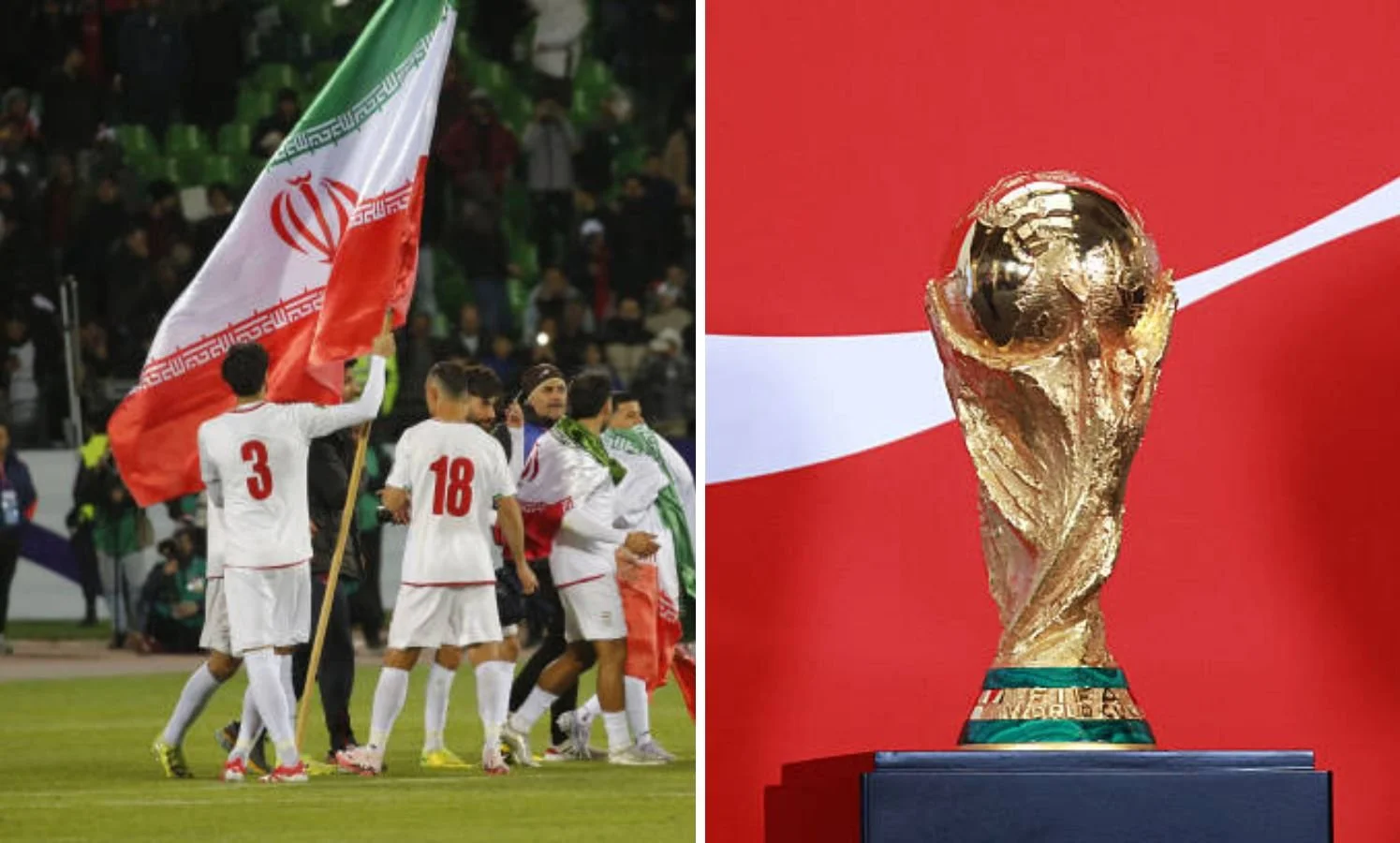
Iran Withdraws from 2026 FIFA World Cup Amid Escalating Conflict with US and Israel
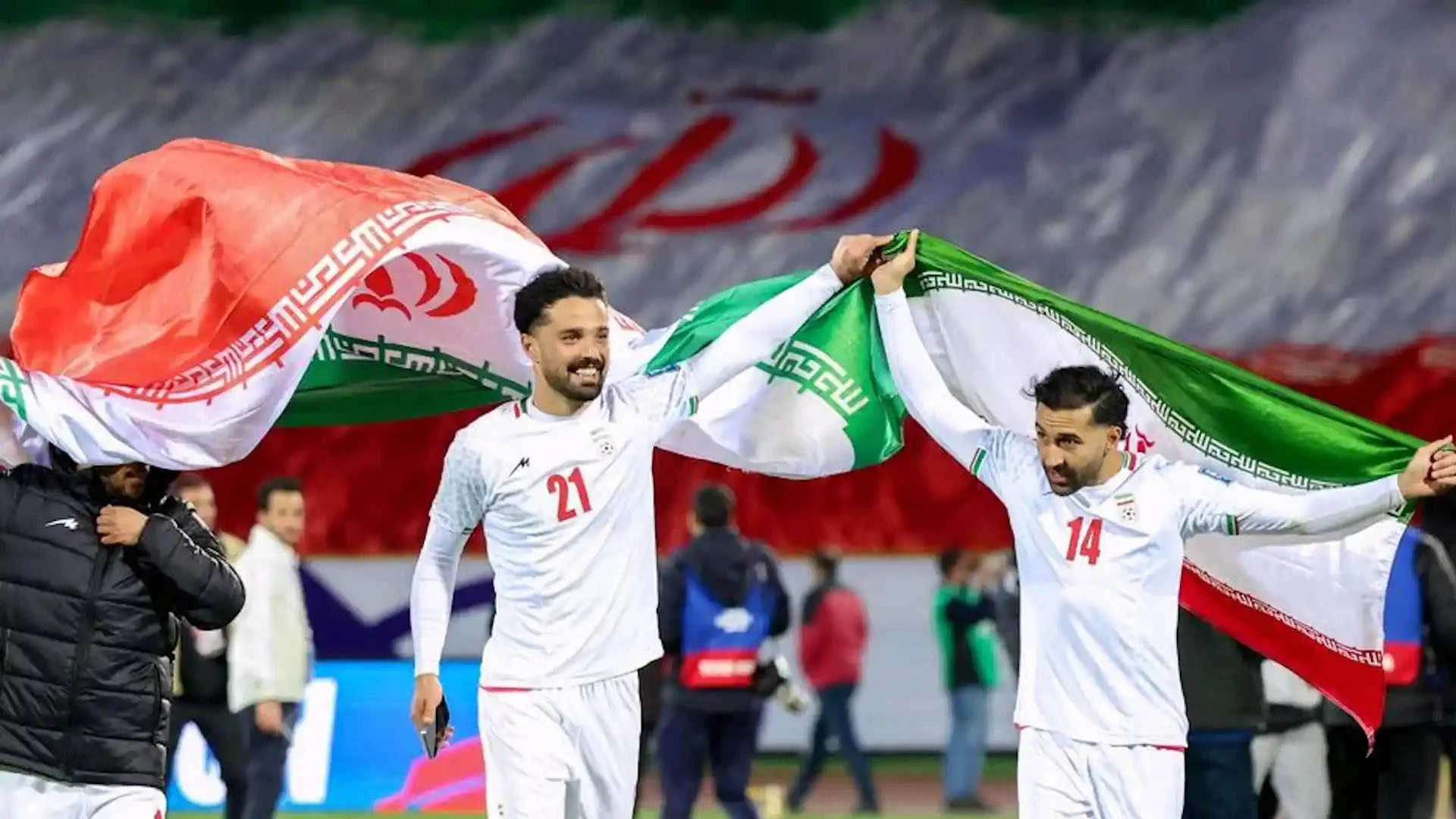
Iran has reportedly become the first nation to pull out of the 2026 FIFA World Cup following escalating geopolitical tensions in the Middle East.
Iran’s sports minister, Ahmad Donyamali, announced that the country will not participate in the tournament scheduled to take place this summer.
According to Donyamali, the decision was made after recent attacks allegedly carried out by the United States and Israel, which he claimed resulted in the death of Iran’s supreme leader, Ayatollah Ali Khamenei.
The crisis has further intensified tensions across the Middle East, with Iran reportedly launching retaliatory attacks on US military bases in the region.
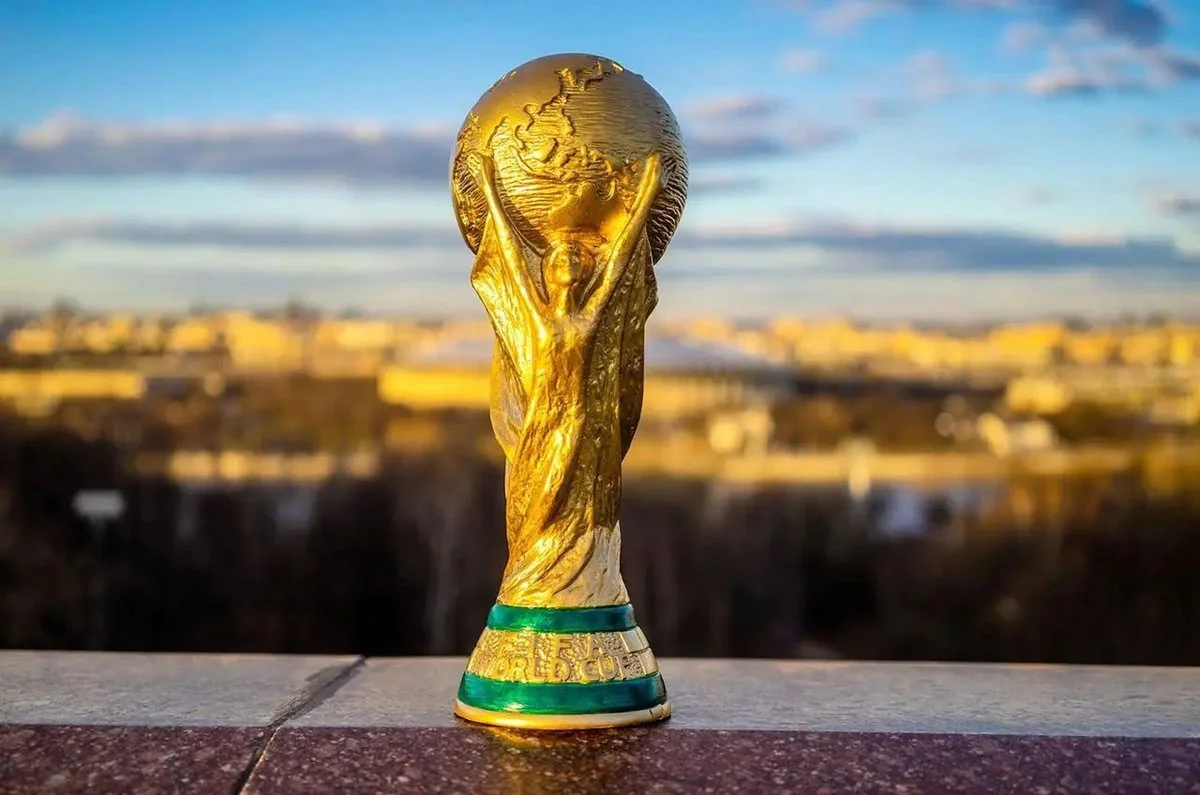
The 2026 World Cup will be hosted jointly by the United States, Canada and Mexico between June and July.
Iran had earlier qualified for the tournament and was scheduled to play group-stage matches against New Zealand and Belgium in Los Angeles on June 15 and 21, before facing Egypt in Seattle on June 26.
However, speaking in a television interview, Donyamali insisted there is “no possibility” the Iranian national team will travel to the United States for the competition.
“Since this corrupt government assassinated our leader, we have no conditions under which we can participate in the World Cup,” the minister stated.
Opinion: When Global Politics Overshadows Global Sport
Iran’s withdrawal highlights how global sporting events can quickly become entangled with international politics and conflict. The World Cup has long been seen as a platform that unites nations through sport, but geopolitical tensions can sometimes overshadow that vision.
If Iran’s decision stands, it will mark a significant moment in the history of the tournament, as political crises rarely lead to voluntary withdrawals from competitions of this magnitude.
For football fans around the world, the absence of a qualified team would be disappointing. However, the development also reflects the complex reality that nations often prioritize political and national concerns over sporting participation during times of conflict.
Ultimately, the situation raises an important question: can global sports truly remain neutral when international relations are deeply strained? ⚽🌍