Iwobi Prefers Old Super Eagles Kit as New Nike Design Sparks Debate
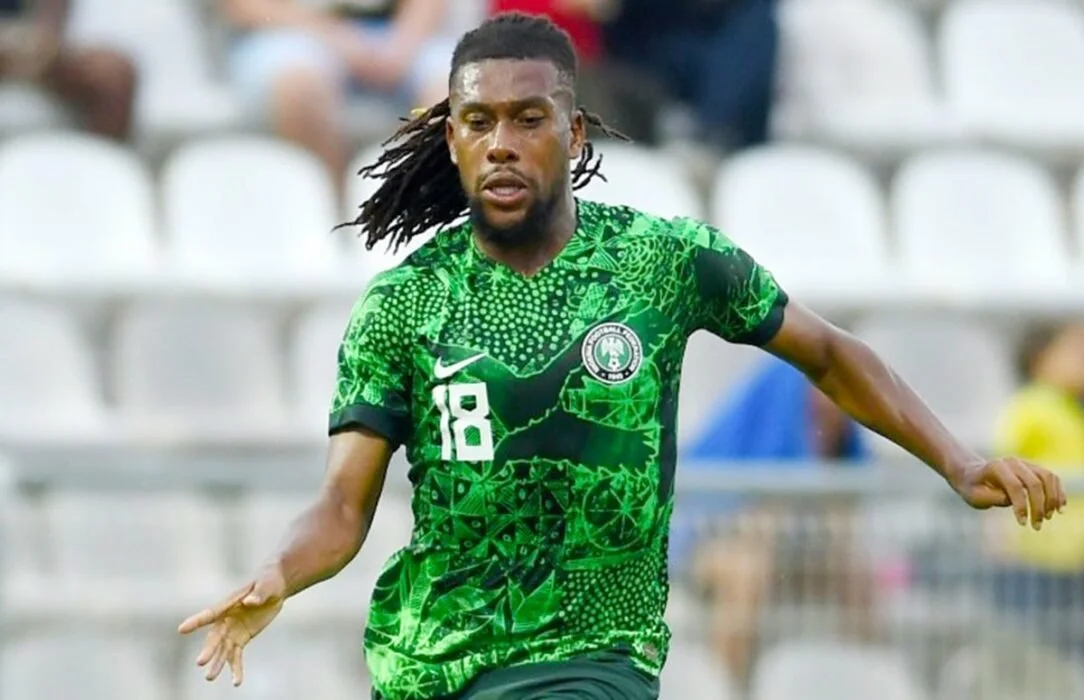
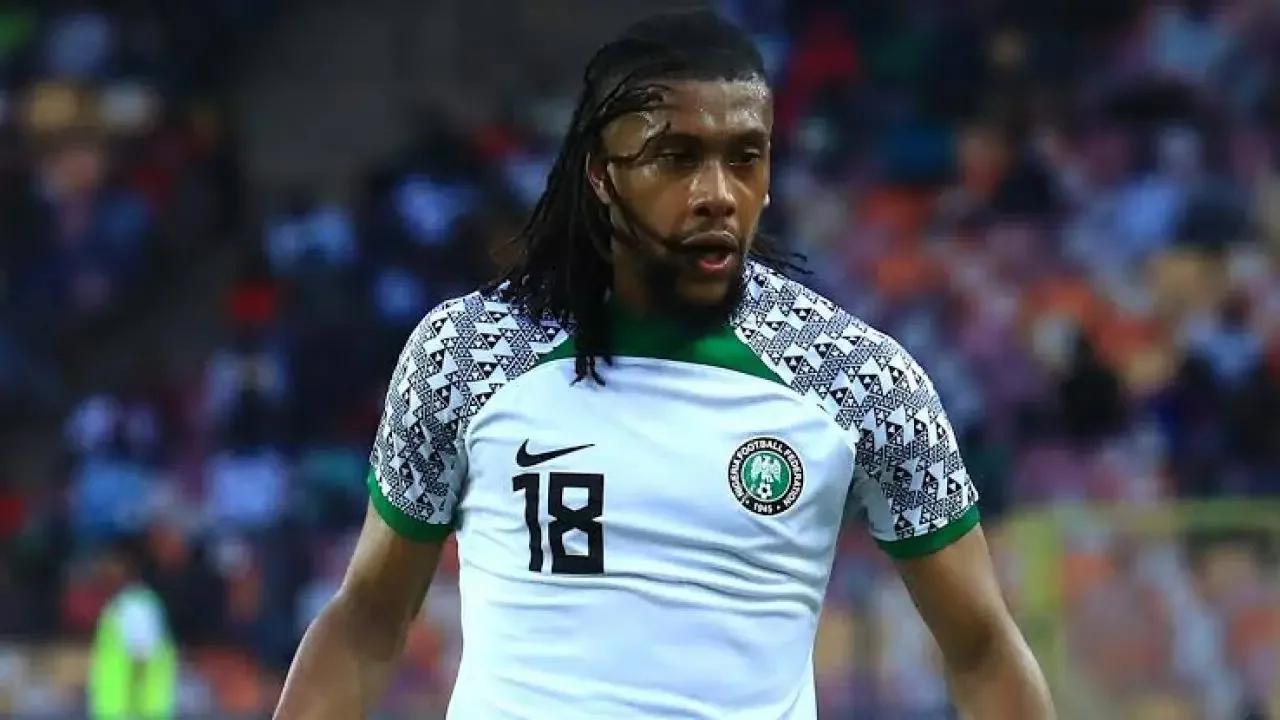
Super Eagles midfielder Alex Iwobi has shared his thoughts on Nigeria’s newly released 2026 national team kit, admitting he still prefers the previous design despite the buzz surrounding the latest collection.
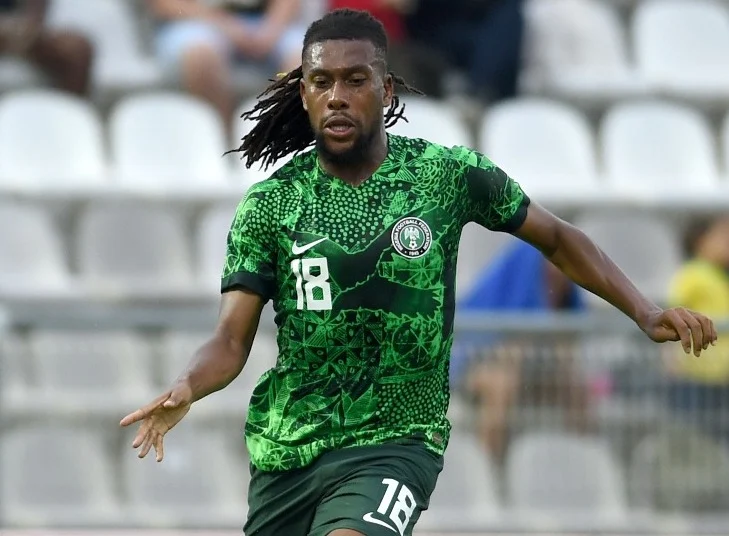
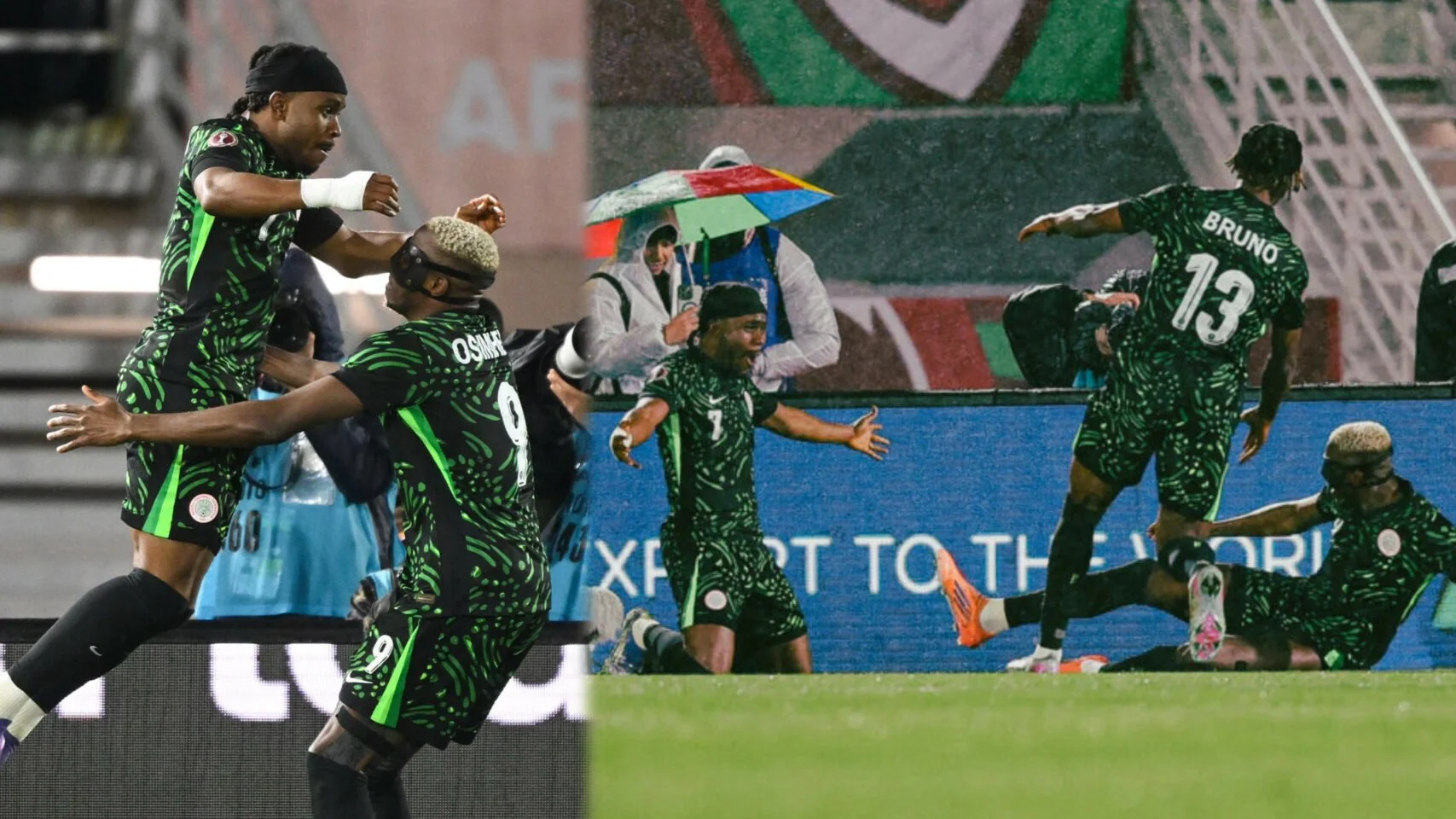
The new kits, unveiled by global sportswear giant Nike, have generated widespread discussion among fans due to their bold and modern aesthetic. The collection features a light green home jersey with darker accents, alongside an away kit that incorporates striking flame-like green patterns on a white base—an attempt to reinterpret Nigeria’s iconic colours.
The Super Eagles have already debuted the kits during recent friendlies, including a 2-1 victory over Iran and a 2-2 draw against Jordan in Turkey.
Speaking on the Alexander Yaa Digg podcast ahead of the Iran fixture, Iwobi offered a candid reaction to the training gear, describing it as unusually bright.
“The training kit is bright green, resembling highlighters with a pink stripe on the side,” he said.
While acknowledging the creativity behind the new designs, the Nigeria national team star admitted his personal preference remains with the older version.
“Personally, I think I prefer the old one, but we will see if this one can bring us luck,” he added.
Opinion: Style vs Tradition—Can the New Kit Win Hearts?
Football kits are more than just uniforms—they’re symbols of identity, pride, and history. That’s why every new design sparks strong reactions, especially when it involves a team like Nigeria, known for some of the most iconic kits in football.
Iwobi’s honest take reflects what many fans are probably feeling: appreciation for creativity, but attachment to tradition.
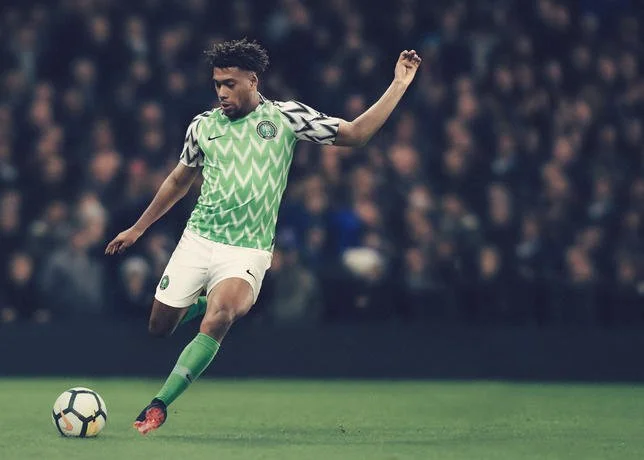
Nigeria’s past kits—especially the globally celebrated 2018 design—set a very high standard. Any new release will inevitably be compared to that benchmark. So while the new Nike design is bold and experimental, it faces the challenge of living up to both aesthetic expectations and emotional connection.
But here’s the reality: performances on the pitch often shape how a kit is remembered.
If the Super Eagles win in it, fans will embrace it. If results disappoint, criticism will only grow louder. That’s the unspoken rule in football culture—success makes everything look better.
In the end, the debate isn’t just about colour or design—it’s about identity. And whether this new kit can become part of Nigeria’s football story will depend not just on how it looks, but on what the team achieves while wearing it.