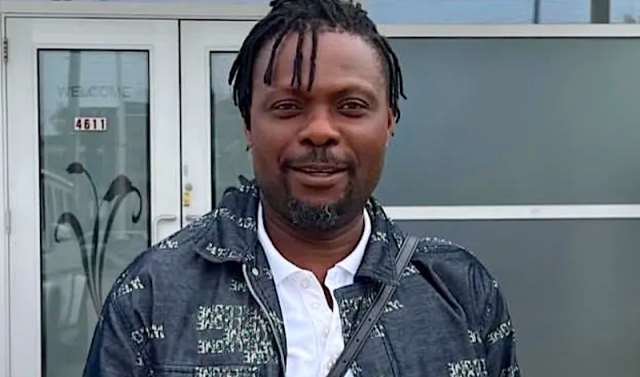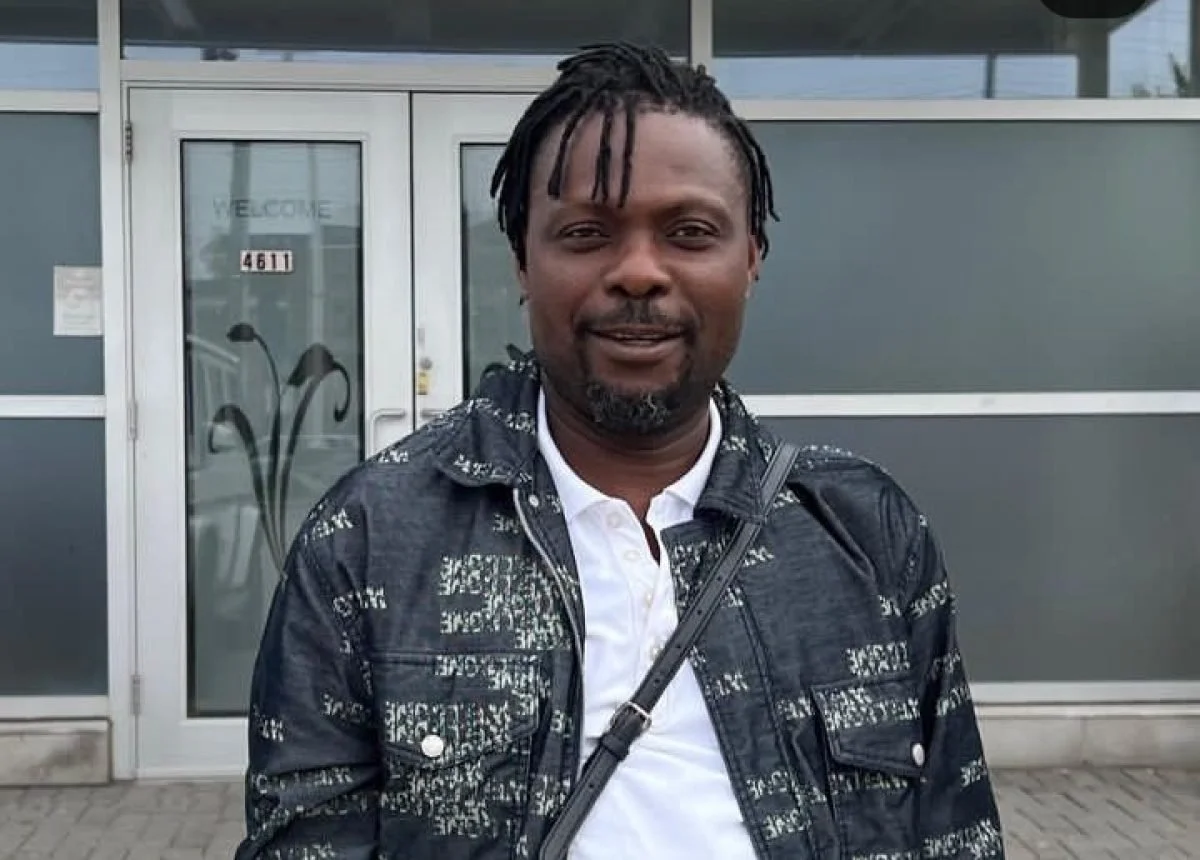
Kunle Afod Calls Out Ondo Governor Over Neglect of Ose Communities
Nollywood actor and filmmaker Kunle Afod has publicly criticised the Ondo State Governor, Lucky Aiyedatiwa, over what he described as the persistent neglect of basic infrastructure and social amenities in Ose Local Government Area.
Afod, who revealed he has been appealing to the government for nearly a month, expressed frustration over what he perceives as continued inaction, prompting him to take his concerns to the public.
In a video message shared on Monday evening, the actor highlighted the dire conditions in communities such as Idoani, where he claimed residents have endured years without electricity, with some areas reportedly in darkness for up to two decades.
He also raised alarm over the state of education, alleging that schools are in disrepair and that teachers have abandoned their posts, leaving children without access to learning.
“All the teachers have run away, all the children in these communities no longer attend school. There’s no accessible road to the communities,” Afod said.
The filmmaker further criticised the poor state of healthcare, claiming that general hospitals in the area have been shut down, while the absence of banking services has added to residents’ struggles.
Afod called on Governor Aiyedatiwa to urgently collaborate with local government officials, lawmakers, and representatives to address the situation and improve living conditions in the affected communities.
Opinion: When Celebrities Speak, It Reflects a Deeper Crisis
Kunle Afod’s outcry is not just another celebrity rant—it is a reflection of a deeper governance issue that affects many rural communities across Nigeria.
When basic needs like roads, schools, electricity, and healthcare are lacking, it goes beyond inconvenience—it becomes a question of dignity and survival. The claims about communities being without power for years and schools losing both teachers and students are particularly troubling.
What makes this situation more significant is the role Afod is playing. Celebrities often use their platforms for entertainment, but when they turn their attention to governance, it signals that something is seriously wrong. It also amplifies voices that might otherwise go unheard.
However, while public criticism is important, it must lead to action. Government responses should go beyond silence or denial—they should involve investigation, engagement, and visible steps toward improvement.
At the same time, accountability should not rest on one office alone. Local government authorities, legislators, and community leaders all share responsibility for development.
In the end, the real issue is not who is speaking—but what is being said. And if even half of these claims are accurate, then the situation in Ose Local Government demands urgent attention, not just promises.