Referee Dropped from World Cup Duty After UK Investigation Despite Case Being Closed
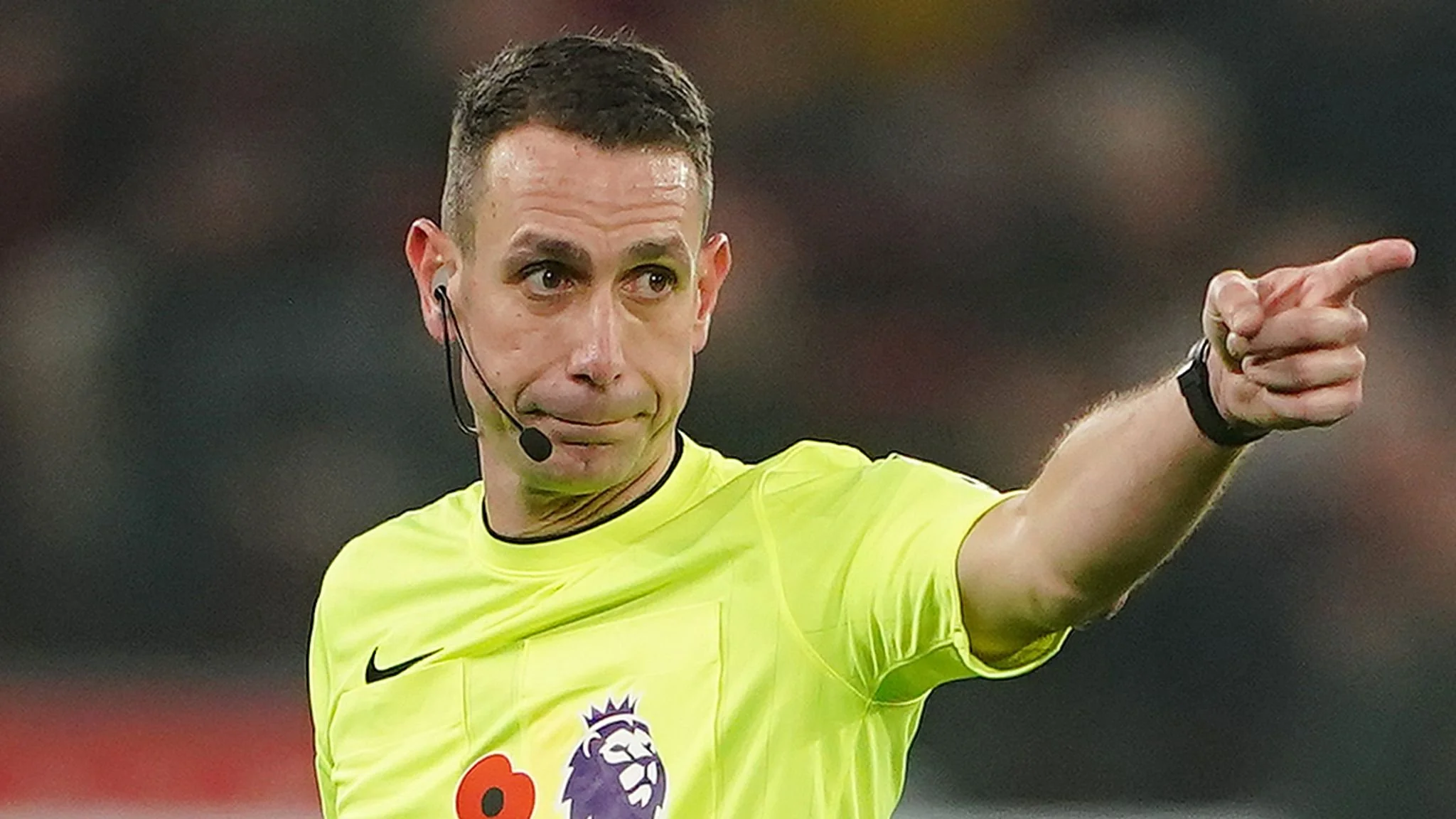
Rob Dieperink has been removed from FIFA’s officiating roster for the upcoming FIFA World Cup despite reports that a police investigation against him in the United Kingdom has been closed without charges.
The Dutch official, who had been selected as a Video Assistant Referee (VAR) for the tournament beginning on June 11, was arrested in the UK last month while working during Crystal Palace’s Conference League fixture against ACF Fiorentina on April 9.
According to reports, Dieperink was taken into custody at his hotel after allegations of sexual assault involving a teenage boy. However, following an investigation, UK police reportedly dropped the case due to insufficient evidence, and no charges were filed against the 38-year-old referee.
Speaking to Dutch outlet De Telegraaf, Dieperink said he fully cooperated with investigators from the outset and also maintained transparency with FIFA, UEFA, and the Royal Dutch Football Association. He described the allegations as false and said he was saddened by FIFA’s decision to exclude him from the tournament despite the case being dismissed.
The KNVB also issued a statement supporting the referee, noting that while allegations of misconduct are treated seriously, the association found no reason to suspend his domestic appointments after the investigation was closed.
Opinion: FIFA’s Decision Shows How Reputation Risks Can Outweigh Legal Outcomes
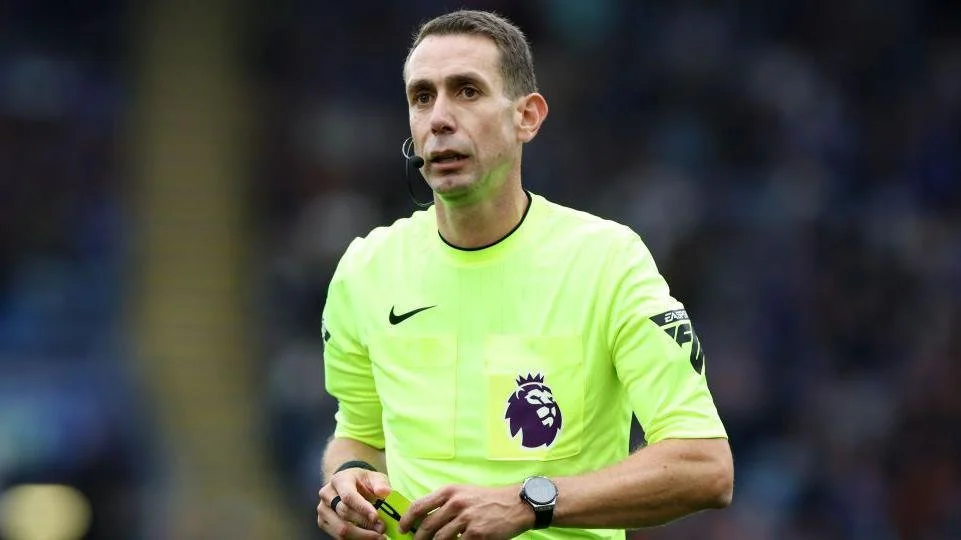
Rob Dieperink’s case highlights a difficult reality in modern sports governance: being cleared legally does not always restore professional opportunities immediately. FIFA’s decision to remove him from the World Cup roster appears to reflect concerns about public perception as much as any legal matter.
For governing bodies, major tournaments like the World Cup are not only sporting events but global spectacles under intense media scrutiny. Even when an investigation ends without charges, organizations may choose caution to avoid controversy overshadowing the competition.
That creates a challenging debate. On one hand, institutions must protect the integrity of their competitions and take allegations seriously. On the other, removing someone after a case has been dropped raises questions about fairness and whether reputational damage can become punishment even without a conviction.
Dieperink’s disappointment is understandable. Missing a World Cup appointment is a major professional setback, particularly when he insists he has been exonerated. Yet FIFA’s move suggests that in high-profile global events, perception often carries as much weight as official legal conclusions.
The incident underscores how, in today’s public landscape, allegations alone can have lasting consequences even after investigations are closed.