BBNaija Director Rejects Claims Reality Show Was Created to Distract Nigerians
Popular Big Brother Naija director Gbenga Kayode has dismissed long-standing allegations that the reality television show was created to distract Nigerians, particularly young people, from important political and national issues.
Over the years, critics have repeatedly accused the organisers of using the programme to divert public attention, especially during election periods. However, Kayode insists those claims are unfounded.
Speaking during a recent episode of the CreativiTea Podcast, the television producer explained that the concept behind the show has always been entertainment and social experimentation rather than politics.
"To be very honest, we never approach Big Brother Naija show from the angle of politics or distraction. People definitely have assumptions that are not true."
He said the programme simply explores how different individuals behave when placed together under unique conditions.
"The idea is basically if you put people in this space under these conditions, what will happen? How the people would react, we don't know. It has nothing to do with politics or distracting people."
Kayode also addressed another criticism frequently directed at the show—that it encourages mediocrity or contributes to what some describe as an "Olodo uprising."
Rejecting that claim, he argued that the programme has consistently featured educated contestants, noting that every past winner of Big Brother Naija has been a university graduate.
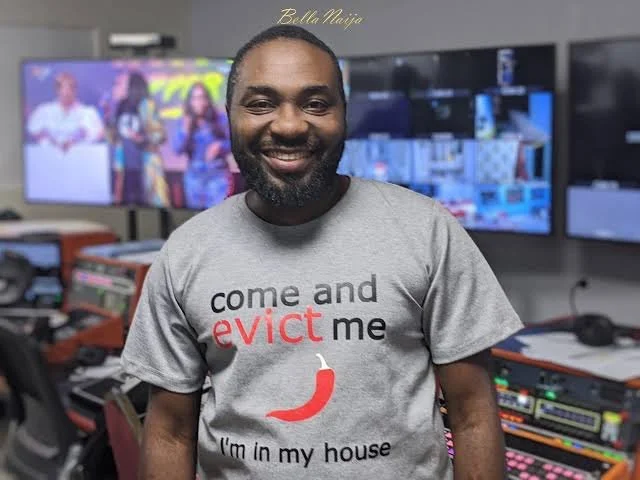
His remarks come ahead of the premiere of the 2026 edition of the reality show, which is expected to attract millions of viewers across Nigeria and beyond.
Opinion
Kayode's comments offer insight into how the show's creators view BBNaija, but they are unlikely to end the debate. While the programme may not have been designed with political intentions, its enormous popularity means it inevitably becomes part of broader conversations about media, culture and public attention.
Ultimately, whether BBNaija serves as entertainment, distraction or both depends largely on how viewers choose to engage with it. Reality television can coexist with civic awareness, and audiences are capable of enjoying entertainment while remaining informed about national issues.