Karibi-George Won Africa's Top Model Title. The Next Test Is Turning Visibility Into Work
HO CHI MINH CITY, 29 August 2026 — Nigeria's Tamunosoye Karibi-George has won the Top Model title for Africa at Miss World 2026, securing an automatic place in the competition's Top 40 quarterfinals.
The result is both an achievement and a useful reminder about how pageants now work. The headline may still be built around beauty, but the modern competition combines runway performance, public communication, social advocacy, multimedia reach and commercial presentation.
For Nigeria, the opportunity is larger than another national-pride moment. It is a chance to connect global attention with designers, stylists, photographers and advocacy organisations that rarely benefit when a representative succeeds abroad.
What the title does—and does not—mean
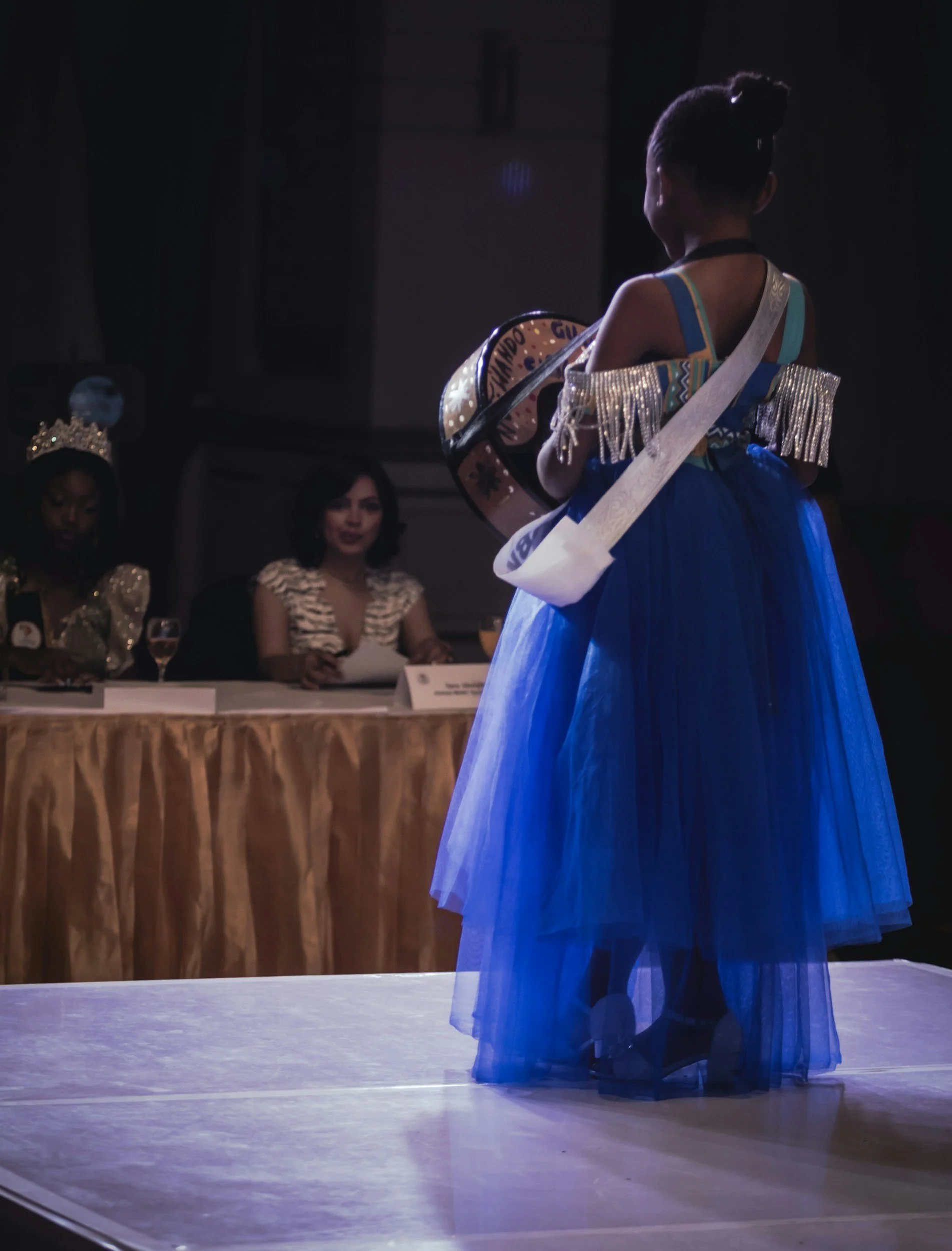
Karibi-George emerged ahead of other African finalists during the Top Model event at Vietnam Beauty Fashion Fest XVII. The continental win grants a Top 40 place; it does not decide the overall Miss World crown.
That distinction is important because celebratory reporting often compresses a multi-stage competition into a misleading finality. She remains in a field whose later rounds draw on other challenges, judging criteria and public attention.
The Nigerian fashion opportunity sits behind the contestant
International pageants are visual platforms. Every appearance creates demand for clothing, styling, makeup, accessories and photography. When those inputs are Nigerian and properly credited, the contestant becomes a moving showroom for a wider industry.
That requires planning. Designers need professional images, accurate product information, delivery capacity and ways for interested buyers to find them. A social-media tag without stock, pricing or export logistics rarely converts attention into business.
Advocacy should be measured as seriously as runway performance
Karibi-George's Beyond Labels initiative focuses on inclusion, dignity and opportunity for children with disabilities and special needs. Pageants increasingly use advocacy as part of their legitimacy, but the programmes attached to contestants vary widely in depth.
The strongest response is not cynicism. It is measurement: published partners, activities, beneficiaries, funding and continuation after the competition. A global platform can attract resources, but only transparent local work turns a campaign into an institution.
Representation has value, but contracts create careers
A continental modelling title can open doors to agencies, campaigns and media work. It does not automatically protect a model from weak contracts, unpaid labour or one-sided image rights. Professional representation and independent legal advice matter most precisely when attention rises quickly.
Nigeria's fashion ecosystem should celebrate the result while treating the next negotiations as business. Visibility is a raw material, not payment.
TalkTalkNigeria's view: build a national campaign around the moment
Silverbird, fashion bodies and participating designers should publish a clear record of the Nigerian creative team behind Karibi-George's appearances. Her advocacy initiative should also release a short public plan for what the Top Model visibility will fund or expand.
That approach would move the story beyond “Nigeria to the world.” It would show how the world-facing moment creates contracts, credits and social impact at home.
Karibi-George has already won the continental runway round. The more durable victory would be a chain of opportunity long enough to include the people whose work helped place her there.
The Top 40 route should be explained without inflating it
An automatic quarterfinal place rewards a challenge victory while preserving the wider competition. Nigerian coverage should distinguish the continental Top Model title, entry into the Top 40 and any later result. That lets supporters celebrate each stage without turning a developing story into a false final victory.
Clear reporting matters for the contestant too. Inflated claims create expectations she did not make and can make later, genuinely strong results appear smaller than they are.
Credits are commercial infrastructure
Every official appearance should identify the designer, stylist, jewellery maker, hair team, makeup artist and photographer where appropriate. Credits should be consistent across press releases, social posts and image captions, with working links to the businesses involved.
That discipline turns admiration into a possible transaction. It also prevents the familiar pattern in which a contestant receives national applause while anonymous creative workers absorb the cost of producing the image.
Designers need a conversion plan before global attention arrives
A garment shown at an international event can generate requests from editors, stylists and customers. The responsible answer is not always immediate mass availability. A designer may offer made-to-order pieces, a limited run or appointments, provided the terms and lead times are honest.
Professional photographs, fabric details, sizing information and shipping options should be ready. If demand exceeds capacity, a waiting list protects quality better than accepting deposits that cannot be fulfilled.
Modelling success should include safe work
New opportunities may involve travel, exclusivity and broad image-use clauses. An independent lawyer or experienced agent should review offers, especially those requiring long commitments. The glamour of the moment must not pressure a contestant into surrendering control of her name or image on vague terms.
Industry bodies can use the story to publish basic contract guidance for emerging Nigerian models. One high-profile case can improve standards for people who never enter a pageant.
The advocacy project needs a public baseline
Beyond Labels will be easier to assess if it states the problem it is tackling, the communities involved and the first-year objective. That could mean accessibility support for identified schools, caregiver resources, skills programmes or a partnership with established disability organisations. The contestant's profile can attract attention; specialists should shape delivery.
Reporting should protect children's privacy and avoid presenting disability as an emotional prop. Dignity includes allowing beneficiaries and advocates to describe what support is useful.
A post-competition report would preserve the value
Within three months, the national organisation could publish a concise account: team credits, media reach, advocacy commitments, partnerships and next steps. Financial details can remain appropriately private while outcomes are made visible.
That record would help future Nigerian representatives prepare earlier and negotiate better. It would also demonstrate that global pageantry can support a professional creative chain rather than functioning as an isolated spectacle.
National support should avoid taking ownership of her story
Public enthusiasm can quickly become pressure about how a representative must speak, dress or respond to every controversy. Karibi-George is representing Nigeria in a competition, but she remains a professional with personal boundaries. Her team should manage requests, protect rest and correct false reports without feeding every online argument.
That protection improves performance and reduces the risk that the campaign becomes defined by distraction rather than work.
The opportunity can extend to future contestants
Silverbird and industry partners can document preparation timelines, contract lessons, wardrobe logistics and advocacy planning in a practical handbook. Former representatives could contribute confidential advice and mentorship. The result would be a stronger institutional memory rather than each contestant rebuilding the process alone.
Karibi-George's title has already created attention. Converting it into better standards, paid creative credits and accountable advocacy would make the achievement useful long after the final stage in Vietnam.
The public can support that conversion by following the credited designers, engaging with verified advocacy partners and resisting invented claims about the competition. Responsible celebration does not make the achievement smaller. It gives the contestant room to progress and directs attention toward the people and institutions capable of turning a title into durable work.
Sources: Punch's event report; TheCable Lifestyle; Miss World competition updates.