Lagos Airport Grew 25.6%. Capacity Is Not the Same as Competitiveness
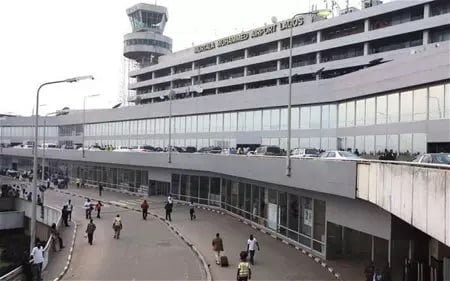
LAGOS, 26 August 2026 — Murtala Muhammed International Airport recorded 480,000 scheduled departing seats in August, placing it joint ninth among Africa's ten largest airports by capacity. OAG data show Lagos grew 25.6% from August 2025—the fastest rate in the top ten—while Nigeria's total scheduled capacity rose 37% to 1.22 million seats.
That is a meaningful recovery and expansion signal. Scheduled seats are not passengers carried, flights completed on time or profitable routes. Capacity shows what airlines planned to offer. Competitiveness depends on whether travellers use it and want to return.
Read the ranking correctly
Cairo led with about 1.85 million seats, followed by Addis Ababa at 1.25 million and Johannesburg at 1.15 million. Lagos at 480,000 remains far smaller despite its faster percentage growth.
A high growth rate can come from a depressed base. The additional 98,400 Lagos seats are important, but the absolute gap shows the scale of the task.
Seat capacity also includes empty seats. Load factor, passenger totals and fare yield determine whether airlines sustain the schedule.
Growth needs route detail
More seats can reflect new routes, larger aircraft or higher frequency. Each has different implications. Frequency improves business convenience; a new direct route can unlock trade; larger aircraft may add capacity without more departure choices.
Authorities should publish domestic, regional and long-haul breakdowns. Lagos benefits when capacity connects Nigerian cities to African hubs and global markets rather than merely duplicating crowded routes.
Airline diversity matters. Heavy dependence on a few carriers makes capacity vulnerable to financial trouble or strategic withdrawal.
The airport experience can erase network gains
Passengers judge queues, baggage, power, cooling, toilets, signage, security conduct and transport access. A modern terminal is only as strong as its daily operation.
FAAN should publish waiting times, baggage delivery, equipment availability and complaints. Social-media praise or anger can identify issues but cannot replace systematic measurement.
Accessibility for disabled passengers, families and older travellers should be audited. Growth that depends on informal assistance is not inclusive service.
Reliability is an economic asset
Delayed departures cause missed connections, crew disruption and business cost. Airlines need reliable air-traffic systems, ground handling, fuel, gates and security processing.
On-time performance should be comparable by airport and carrier, with weather and operational causes identified. Public data encourage every participant to improve the handoffs they control.
Contingency planning for power, IT and baggage-system failure should be tested. One outage can damage confidence built through months of capacity growth.
Lagos needs better hub economics
Addis Ababa and Cairo benefit from strong connecting networks. A hub is not simply a large city with many residents. It coordinates schedules, transfer processes, baggage and visa rules so passengers can move efficiently between flights.
Nigeria should improve regional connections and simple airside transfers. Travellers should not face unclear immigration or rechecking procedures for ordinary connections.
Home carriers need sound regulation and commercial discipline, not protection from all competition. A weak national champion cannot build a durable hub by decree.
Charges and taxes shape route decisions
Airlines compare landing, navigation, passenger, security, fuel and handling costs across airports. Multiple charges collected inefficiently can make an attractive market expensive to serve.
Government should publish a consolidated schedule and explain what each fee funds. Digital payment should reduce delay and leakage.
Lower charges are not automatically better if safety and infrastructure are underfunded. The goal is value, predictability and transparent use.
Surface access is part of the airport
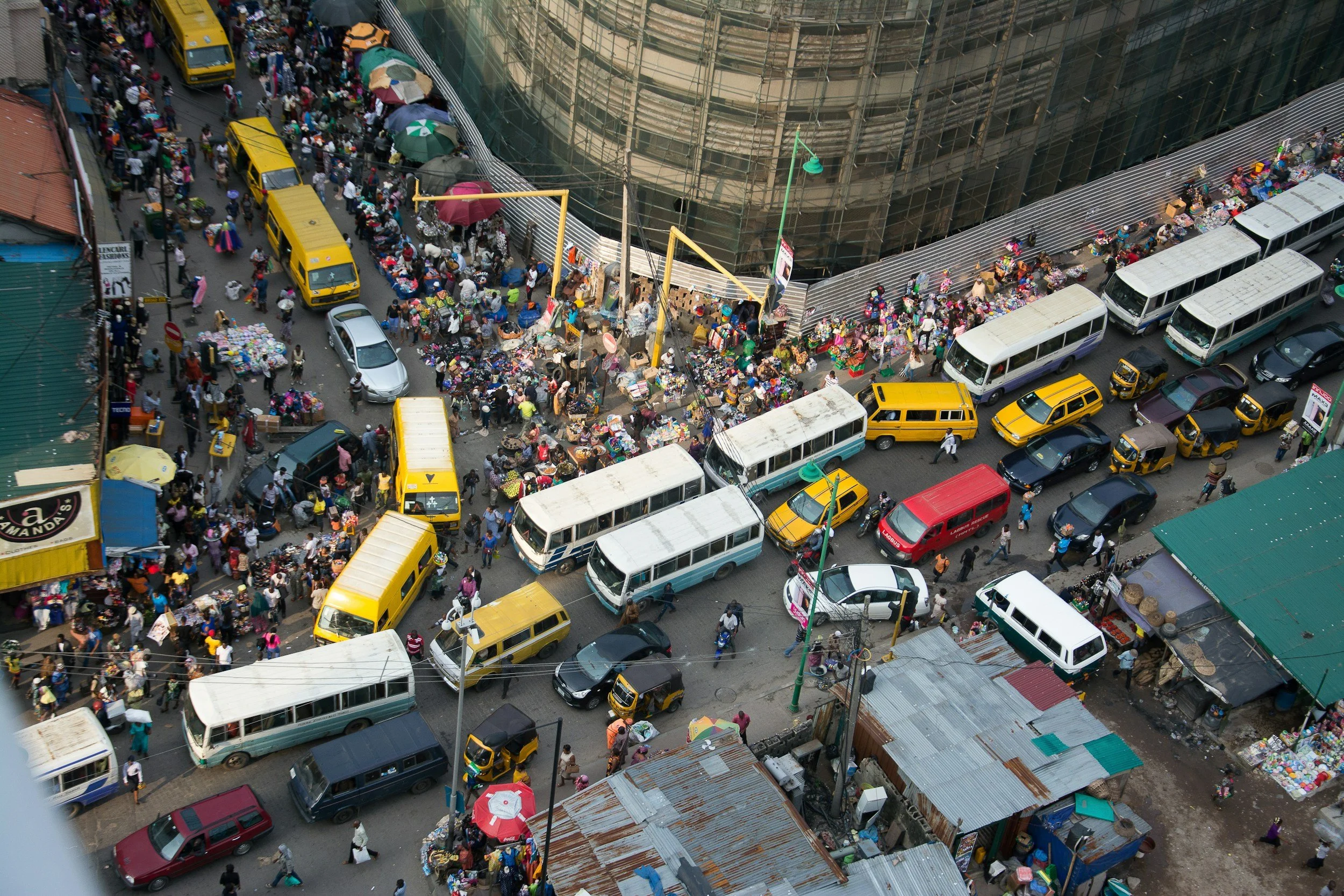
A passenger's journey starts before the terminal. Lagos traffic, unreliable travel time and fragmented parking or pickup can undermine flight convenience.
Rail and bus connections should align with operating hours, baggage needs and security. App-based pickups need designated areas that do not create curbside disorder.
Travel-time information should be integrated into airport and airline channels, especially during major road works or events.
Cargo deserves equal attention
Passenger capacity supports belly cargo, but exports need cold chains, inspection, customs and predictable handling. Nigerian produce loses value when documentation or storage fails.
Air-cargo performance should track clearance time, spoilage, rejected shipments and export value. Dedicated facilities must be used and maintained.
Trade agencies should help producers meet destination standards before goods reach the airport. Faster processing cannot rescue non-compliant exports.
Safety cannot be traded for growth
More flights increase pressure on airspace, runways, maintenance and ground staff. NCAA and NSIB need capacity that grows with the network.
Incident reporting should be protected and timely. Expansion targets should never create pressure to defer maintenance or overlook fatigue.
Public confidence depends on independent investigation and visible implementation of recommendations.
Airlines need commercially credible rules
Capacity disappears quickly when carriers face unpredictable foreign-exchange access, trapped funds or sudden regulatory changes. Nigeria should publish clear repatriation, consumer-refund and route-approval rules and apply them consistently to domestic and foreign airlines.
Consumer protection must remain enforceable. Airlines should disclose delays, cancellations and refund performance in a standard format, while NCAA resolves complaints within published deadlines. Protecting passengers does not require arbitrary fines announced before facts are established.
Domestic carriers need strong balance sheets, maintenance planning and governance. Access to routes or public support should be tied to safety and service performance, not political connections. A crowded market of fragile airlines can reduce reliability even while scheduled capacity appears high.
Local communities and workers share the growth
Airport expansion affects noise, traffic, land and surrounding businesses. FAAN should engage host communities through documented complaint and mitigation processes rather than waiting for protests to interrupt operations.
Ground handlers, security staff, cleaners, immigration officers and airline crews determine daily performance. Training, equipment and fair rostering are infrastructure too. Chronic understaffing or fatigue will eventually appear as delay, poor service or safety risk.
Employment claims should distinguish permanent skilled work from temporary contracting. Procurement can support Nigerian firms while requiring quality, competition and transparent beneficial ownership.
Tourism needs a complete arrival product
More international seats can support tourism only when visa processes, safety information, payment, hotels and onward transport work together. Marketing Lagos without fixing the arrival journey converts interest into frustration.
Authorities should track visitor purpose, average stay and spending while protecting privacy. Data can show which routes generate tourism, business, diaspora or connecting demand and guide better service design.
What the next dashboard should show
Monthly reporting should combine scheduled and operated seats, passenger totals, load factor, cancellations, on-time performance, baggage delivery, complaints and cargo processing.
Data should separate terminals and domestic, regional and international traffic. Historical series would show whether August growth becomes a durable trend.
Airlines and agencies can protect commercial or security details while still publishing service outcomes.
TalkTalkNigeria's view: turn growth into repeat choice
Lagos deserves credit for the fastest capacity growth among Africa's top ten airports. The ranking places the airport back in an important continental conversation.
The next test is whether passengers experience reliability, fair cost and useful connections—and whether airlines earn enough to keep the seats.
Capacity is an invitation. Competitiveness is when travellers and carriers accept it repeatedly.
The August figures are promising; the next twelve months must prove that the improvement can survive seasonal demand, operational pressure and ordinary working days.
Read next: A Transport Union Endorsement Is Worth Less Than A Safe Bus Ride and Nigeria Cannot Build Infrastructure Without Maintaining It.
Sources: OAG's August 2026 African aviation capacity table; report calculating the top-ten total and Nigeria market growth.