Lagos Fashion Week Says It Is Building More Than a Runway. Its Selection Rules Show How
LAGOS, 29 August 2026 — Lagos Fashion Week's 2026 designer application describes the event as “more than a runway” and asks applicants to demonstrate commercial ambition alongside creative excellence.
That framing is more important than another set of backstage photographs. Nigeria has abundant fashion talent and a strong cultural profile. What repeatedly breaks is the bridge between a celebrated collection and a company that can pay staff, reproduce quality and deliver to customers.
Selection is becoming a business test
The application welcomes clothing, accessories, jewellery and footwear brands from Africa and the diaspora. It also emphasises purpose, vision and the discipline to build a lasting enterprise.
Designers should read that as a warning against treating the runway as rescue. A showcase can amplify a functioning brand; it cannot substitute for costing, production calendars, inventory control or customer service.
Commercial ambition does not mean abandoning craft
There is a false choice in creative conversations between artistic integrity and scale. Growth does not require every garment to become mass-produced. It requires the brand to know which pieces can be repeated, which remain limited, and how each is priced.
Clear product architecture protects craft because it stops bespoke labour being sold at ready-to-wear prices. It also helps artisans plan and negotiate rather than absorb last-minute pressure created by poor management.
Sustainability must include financial survival
Lagos Fashion Week has invested in circularity and responsible production through initiatives such as Woven Threads. Environmental claims matter, but a label cannot maintain ethical sourcing if cash flow forces constant shortcuts.
Responsible fashion therefore includes realistic lead times, fair payment, durable products, repair, smaller production runs and honest disclosure. A recycled-fabric story cannot compensate for unpaid workers or discarded unsold stock.
Data should follow the runway
The industry needs a post-season report: number of participating brands, buyer meetings, orders, export destinations, production jobs and media reach. Aggregate figures can protect private commercial information while showing whether the platform produces economic value.
Without that record, every edition begins again at the level of impressions and celebrity attendance.
What applicants should prepare before submitting
A focused collection with a clear customer rather than disconnected statement pieces.
Costed wholesale and retail prices that include labour, overhead and tax.
Evidence that key garments can be reproduced consistently.
Professional product information, size charts and delivery terms.
A plan for handling enquiries after the show without overpromising.
TalkTalkNigeria's view: this is the right gate—if support follows
Lagos Fashion Week is correct to demand business discipline. The platform must match that demand with buyer access, finance guidance and production support, especially for labels that have strong demand but limited working capital.
Nigerian fashion does not need fewer beautiful runways. It needs more brands that remain healthy after the lights go down.
An application can reveal whether a collection has a customer
Designers often describe inspiration in detail while leaving the buyer abstract. A serious application should identify who wears the product, where that person shops, what problem the brand solves and how the price compares with alternatives. That does not reduce creativity to a spreadsheet; it gives creative decisions a commercial context.
A collection for luxury occasion clients requires different volumes and service from everyday ready-to-wear. Selection panels should not reward one model automatically. They should look for coherence between product, customer and operating plan.
Production calendars must begin before selection announcements
Runway deadlines can force unsafe hours, rushed finishing and expensive emergency sourcing. Applicants should map fabric availability, fittings, maker capacity, casting, imagery and delivery contingencies in advance. Organisers can support that discipline by publishing milestones early and avoiding last-minute requirement changes.
Late creativity will always occur. It should be an artistic choice, not the default result of weak coordination.
Buyer readiness is more than a polished lookbook
A buyer needs style codes, fabrication details, colour options, size ranges, wholesale prices, recommended retail prices, order minimums and delivery windows. Digital line sheets should be easy to update and should match the samples on display.
Labels also need a responsible answer to the question of capacity. If ten stores place orders, can the business deliver without replacing trained makers, materials or finishing standards? Honest limits build more trust than theatrical scale.
Sustainability claims should be specific
Words such as ethical, circular and conscious can become decorations. A label should state what it actually does: uses deadstock, repairs garments, pays makers on agreed terms, produces to order, traces a material or designs for longer wear. Evidence can grow as the business grows.
The platform should avoid demanding expensive certification from every young brand while still challenging claims that cannot be explained. Practical improvement is more credible than perfection performed for an application form.
The runway audience should include the people who place orders
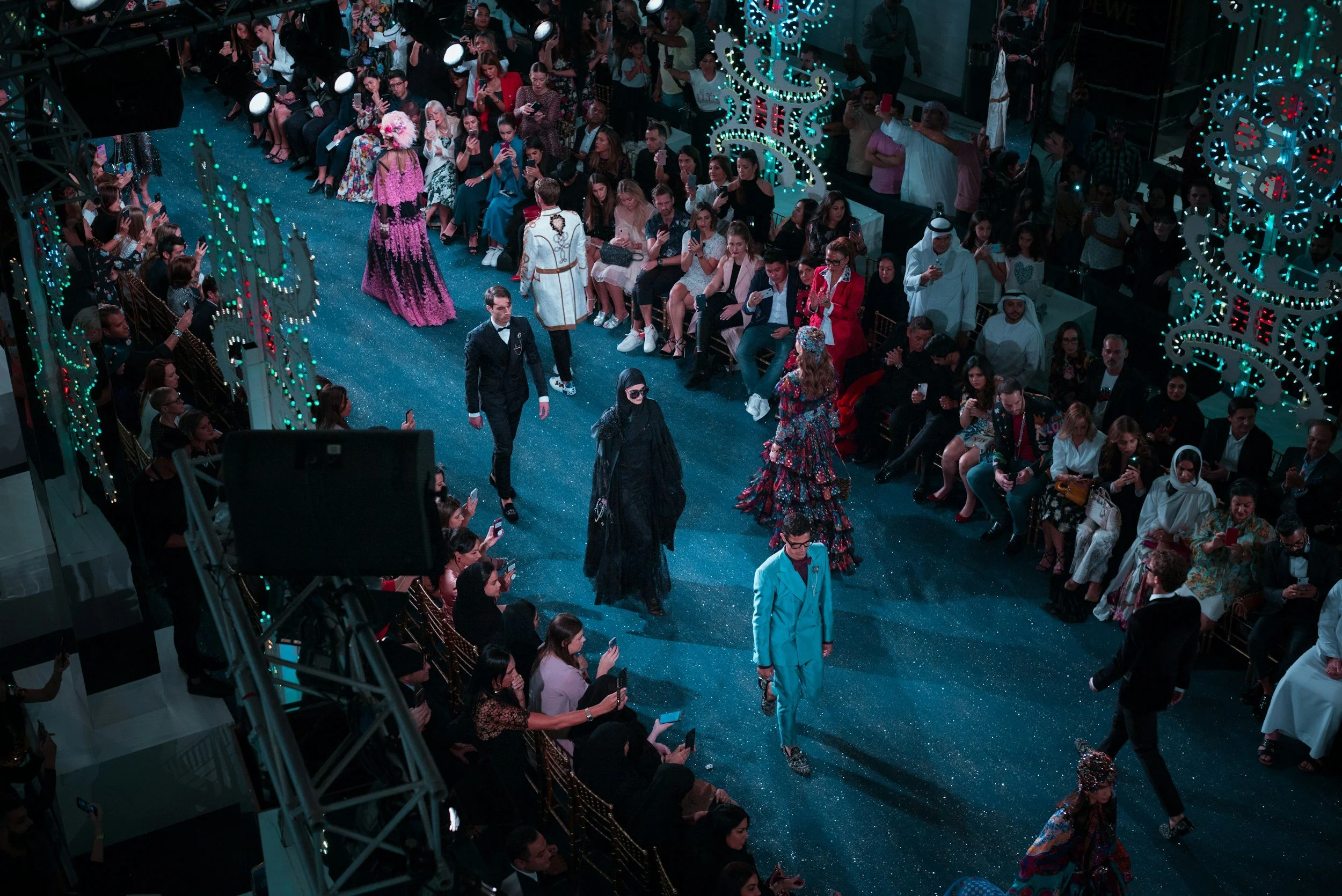
Celebrity attendance creates media value, but a commercial platform needs buyers, editors, stylists and partners who can move product. Organisers should track invitations and meetings by professional function, then create quiet spaces where designers can discuss terms after the show.
A packed room is not automatically a useful room. The composition of the audience affects what happens when the applause ends.
Rejection can still provide industry value
Most applicants will not be selected. A brief scoring framework or group feedback session can help them improve without requiring personalised consultancy for hundreds of brands. Clear reasons also reduce the suspicion that selection depends entirely on proximity or popularity.
Future cohorts become stronger when the application process teaches. That would make Lagos Fashion Week a year-round standard setter rather than a single annual gate.
Alumni data can reveal the platform's long-term value
Organisers should track participating brands for several seasons: who remains active, enters new markets, expands employment or changes business model. Survival alone is not the only measure, and some designers will close responsibly, but longitudinal evidence shows which interventions matter after selection.
That record could help sponsors direct money toward production, buyer access or training based on observed gaps rather than fashionable assumptions.
Commercial discipline should apply to the platform too
Designers are being asked for lasting-business thinking. Lagos Fashion Week should model the same standard through clear contracts, prompt supplier payments, transparent selection and an honest account of outcomes. The platform's operational quality becomes part of the lesson it teaches.
If the rules are matched by practical support and measurable follow-through, “more than a runway” will describe an institution. If not, it remains an effective slogan attached to another week of images.
Applicants should keep their own evidence regardless of selection: costs, customer feedback, production time, returns and the products that sell repeatedly. A rejection does not invalidate a functioning label, and selection does not repair a weak one. The healthiest relationship is between a platform that opens credible doors and designers who already understand what they need on the other side.
For the 2026 cohort, the honest success story will be told months later: garments delivered, makers paid, customers retained and lessons applied. The runway can begin that story, but the ledger, workshop and customer relationship must finish it with practical evidence the next applicant can use.
Sources: official Lagos Fashion Week 2026 designer application; official Woven Threads information; current reporting on African designers seeking international market access.