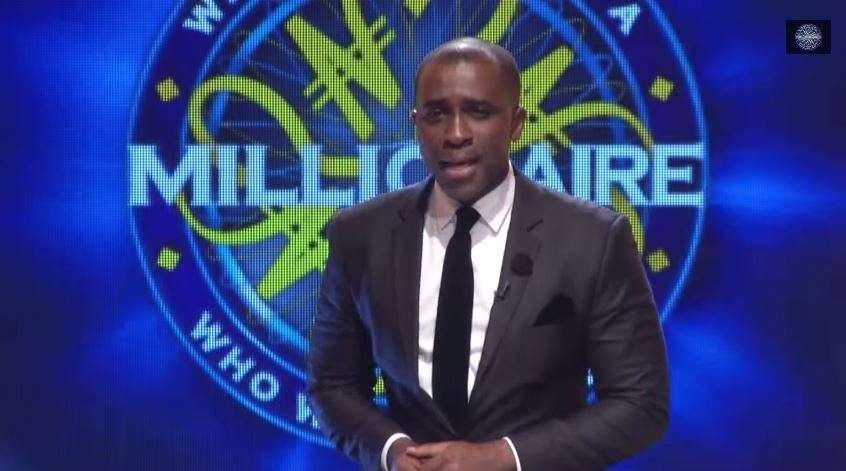
Frank Edoho Explains Why Who Wants to Be a Millionaire Ended After a Decade on Air
Veteran television host Frank Edoho has shed light on why the iconic quiz show Who Wants to Be a Millionaire eventually went off the air, revealing that the withdrawal of its long-time sponsor played a decisive role.
Speaking during an appearance on the KK Show, Edoho explained that the programme's major sponsor, which had funded the show for about ten years, was forced to discontinue its support after facing a substantial financial penalty from the Federal Government.
According to the broadcaster, the sponsor's financial obligations made it impossible to continue backing one of Nigeria's most successful television game shows.
“Who Wants to Be a Millionaire sort of came to an end when our sponsor withdrew. I don't know if I can mention brand names but our sponsor stayed with us for a decade sponsoring the show.”
Edoho said the company was reportedly fined over a corporate regulatory issue, a development that significantly affected its ability to continue financing the programme.
“I think the Federal Government fined them based on some industry – I think it was like a punitive measure for one corporate thing but that affected the sponsorship of Who Wants to Be a Millionaire.
“So they said, ‘Hey guys, we can't do this anymore based on the fact that we have to pay an incredible sum of money back to the Federal Government.’”
The revelation provides fresh insight into the end of a programme that entertained millions of Nigerians and produced unforgettable moments over the years.
Hosted by Frank Edoho for much of its run, Who Wants to Be a Millionaire became one of the country's most popular television shows, giving contestants the opportunity to compete for life-changing cash prizes while captivating audiences with its suspense-filled format.
For many viewers, the programme represented more than entertainment, serving as a platform that celebrated knowledge, confidence and quick thinking.

Opinion
Frank Edoho's explanation underscores the vital role sponsorship plays in sustaining large-scale television productions. Even highly successful programmes with loyal audiences can struggle to survive when financial backing disappears.
The story also illustrates how corporate and regulatory decisions can have unintended effects beyond the businesses directly involved. In this case, viewers ultimately lost one of Nigeria's most beloved television shows because its primary sponsor could no longer shoulder the financial commitment.
The enduring popularity of Who Wants to Be a Millionaire suggests there is still room for high-quality knowledge-based entertainment in Nigeria. If the right commercial support and business model can be found, many fans would welcome the return of a programme that inspired learning while providing memorable family entertainment.